
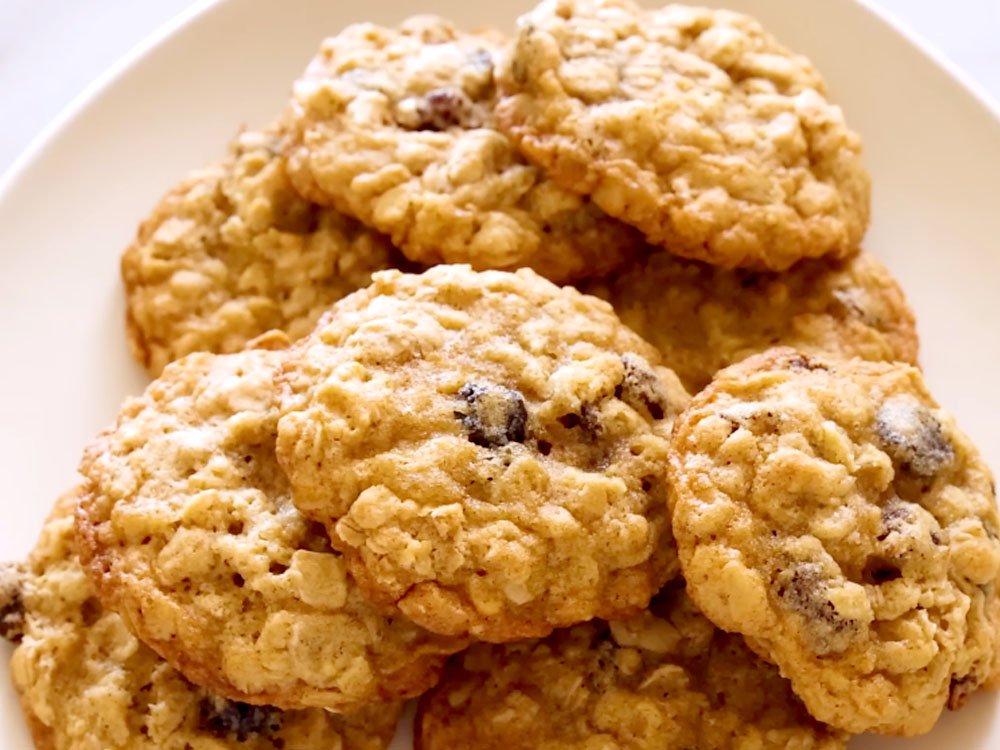
A comforting batch of old fashioned oatmeal cookies recipe warms up your kitchen on a rainy afternoon, bringing back memories of childhood. These sweet treats take very little time to mix, and your whole house will smell like butter and cinnamon.
Rolled oats give you that hearty texture, while brown sugar locks in moisture to keep each bite soft. Stick around, and you’ll find the exact trick for keeping these cookies chewy for days.
Why You Will Love This Recipe
- Chewy Texture: Rolled oats soak up the butter and sugar, creating a thick bite that never turns dry or crumbly. You get a hearty chew that keeps you reaching for a second cookie.
- Pantry Staples: Every single item sits right in your kitchen cabinet already, meaning zero special trips to the grocery store. You save time and money while baking up something warm.
- Quick Cleanup: The entire batch comes together in one mixing bowl, leaving you with barely any dishes in the sink afterward. Your evening stays relaxed and free of kitchen clutter.
- Custom Add-Ins: Chocolate chips or dried raisins fold right into the dough without messing up the bake time. You can easily match whatever sweet treats happen to live in your pantry.
- Freezer Friendly: Unbaked dough balls freeze wonderfully on a tray, ready for hot baking whenever guests drop by unexpectedly. You always have a warm treat close at hand.
Ingredients
- Rolled Oats (3 cups): The star of the show, providing that classic hearty texture and nutty flavor you expect. Thick rolled oats work best here, as instant oats turn the dough mushy.
- All-Purpose Flour (1 cup): Gives the cookies structural support, holding all the heavy oats and butter together nicely. Measure this carefully with a spoon so your cookies stay light.
- Unsalted Butter (1 cup): Melts into rich goodness, carrying the warm spices and browning slightly in the hot oven. Soften it at room temperature first, ensuring smooth blending with your sugars.
- Brown Sugar (1 cup): Packs in molasses flavor and draws moisture into the oats for ultimate softness. Pack it down tightly in your measuring cup to get the right amount.
- Granulated Sugar (1/2 cup): Adds just enough crispness to the edges, balancing out the heavy chew of the brown sugar. It keeps the centers soft while giving the outer ring a nice golden bite.
- Large Eggs (2): Bind the dry ingredients together, adding rich structure and a tender crumb to every cookie. Crack them into a small bowl first to catch any stray shells.
- Ground Cinnamon (2 teaspoons): Brings a cozy warmth that makes these cookies taste like they came from a country bakery. Stir it directly into your dry mix for even distribution.
Steps to Make Old Fashioned Oatmeal Cookies Recipe (Quick and Easy Guide)
Creaming the Butter and Sugars
Softened butter goes into your mixing bowl alongside both the brown and white sugars. Beat them together on medium speed until the mix turns pale, fluffy, and light. Your kitchen fills with a sweet, buttery scent right away. Stop the mixer once the texture looks creamy, ensuring no clumps of sugar remain hidden at the bottom.
Mixing in Wet Ingredients
Two whole eggs drop into your fluffy butter mix, one at a time, keeping the batter smooth. Splash in a generous glug of vanilla extract, letting the mixer whip everything into a glossy yellow cream. The mixture should look slightly airy, which helps your cookies rise just enough in the hot oven. Scrape down the sides of the bowl with a spatula, making sure no butter hides near the edges.
Combining Dry Components
All-purpose flour, baking soda, and ground cinnamon pour directly into your wet mixture in a steady stream. Toss in your rolled oats right after, bringing everything together with a sturdy wooden spoon. The dough becomes thick and heavy, so your arm gets a quick workout stirring those oats in. Watch for dry pockets of flour at the bottom, folding them up until the oats are coated.
Baking to Golden Perfection
Scoop rounded balls of dough onto a lined baking sheet, leaving space for them to spread out. Pop the tray into a hot oven, letting them bake until the edges turn golden and crisp. Pull them out when the centers still look slightly soft, as they finish cooking on the warm pan. Let them rest for five minutes, then transfer them to a wire rack to cool completely.
What to Serve with Old Fashioned Oatmeal Cookies Recipe
Cold Whole Milk
A tall glass of ice-cold milk cuts right through the rich, buttery sweetness of each warm cookie. The dairy coats your mouth, making every single bite taste even richer than the last. Kids love dunking their cookies, soaking up the melted brown sugar in the glass.
Hot Spiced Chai
Brewed black tea infused with cardamom and cloves matches the cozy cinnamon notes in your baked oatmeal treats. The slight spice contrast wakes up your palate, keeping the dessert from feeling too heavy. Sipping hot tea alongside a chewy cookie turns a regular afternoon into a mini holiday.
Vanilla Bean Ice Cream
Sandwiching a scoop of cold vanilla ice cream between two room-temperature cookies creates an instant gourmet dessert. The ice cream melts slightly against the warm edges, giving you a creamy sauce for the oats. It transforms a simple pantry cookie into a show-stopping sweet treat for weekend guests.
Fresh Sliced Apples
Crisp apple slices add a tart, juicy crunch that balances out the dense sweetness of the baked oats. You get a fruit-forward bite that feels a bit lighter, making it a great afternoon snack option. The combination tastes just like an apple crisp, minus all the extra baking work.
Storage and Reheating
Room Temperature Storage
A tight-fitting plastic container keeps your baked cookies soft on the kitchen counter for up to five days. Tossing a slice of white bread inside the container works wonders, as the cookies absorb its moisture. Your oatmeal treats stay just as chewy on day four as they were fresh out of the oven.
Freezing Baked Cookies
Layering cooled cookies between sheets of parchment paper inside a freezer bag protects them for three months. Squeeze out all the extra air before sealing, preventing freezer burn from ruining your hard work. Thaw them on the counter for twenty minutes, and they taste like they just came off the baking sheet.
Freezing Raw Dough
Scooping unbaked dough balls onto a tray lets you freeze them solid before transferring them to a zip bag. You can bake just two or three cookies on weeknights when a sweet craving strikes. Add two extra minutes to the oven timer since the dough starts out completely frozen.
Quick Microwave Refresh
Stale or firm cookies soften right back up with a ten-second blast in your kitchen microwave. Place them on a paper towel, keeping a close eye so the sugar center does not melt completely. They turn warm and gooey, tasting just like a fresh batch made an hour ago.
What Makes This Recipe Special
Thick Rolled Oats
Thick oats give these cookies a hearty structure that instant oats simply cannot match in your kitchen. Every bite offers a satisfying chew, making the treat feel substantial rather than airy or hollow. You notice the difference immediately when biting into the dense, satisfying center.
Brown Sugar Ratio
Heavy amounts of brown sugar pull moisture into the dough, locking in that soft texture for days. White sugar takes a back seat, letting the rich molasses flavor shine through every single bite. This exact balance prevents your cookies from turning hard or crumbly overnight.
One Bowl Method
Skipping extra dishes saves you precious time, keeping the cleanup process fast and completely painless. All the mixing happens in a single vessel, from creaming butter to folding in heavy oats. You spend your time eating cookies instead of scrubbing mixing bowls at the sink.
Rested Dough Texture
Chilling the heavy oat dough for twenty minutes before baking stops the cookies from spreading too flat. The butter firms up, helping each mound hold its tall shape and chewy center in the heat. You get bakery-style thickness without needing any complicated commercial equipment.
Pro Tips for the Best Results
Soften Butter Properly
Set your butter on the counter an hour before baking, letting it reach room temperature naturally. If you microwave it until melted, the dough turns greasy, and your cookies flatten into thin pancakes. You want butter that yields to gentle thumb pressure, keeping the mixture fluffy and light.
Measure Flour Correctly
Fluff your flour with a spoon, scoop it into the measuring cup, and level it off with a knife. Packing flour directly from the bag adds too much weight, turning your soft cookies dry and cake-like. This simple habit guarantees a tender, chewy bite every single time you bake.
Do Not Overbake
Pull the baking sheet out when the edges look golden, but the centers still look slightly wet. The residual heat from the metal pan finishes cooking the cookies while they rest on top. Taking them out too late results in a crunchy biscuit instead of a soft oatmeal treat.
Chill the Dough
Give your mixed dough twenty minutes in the refrigerator before scooping it onto baking sheets. Cold butter melts slower in the oven, preventing your cookies from spreading into one giant blob. This technique creates thick, chewy centers that stay soft for days.
Variations and Substitutions
Semi-sweet Chocolate Chips
Instead of traditional raisins, fold in dark chocolate chips to satisfy any sweet tooth in your house. The melted chocolate pockets add a rich, decadent edge that contrasts nicely with the earthy oats. Your kids will devour this version even faster than the original fruit batch.
Dried Cranberries and Nuts
Toss in chopped walnuts and dried cranberries instead of raisins for a tart, crunchy flavor twist. The tart berries cut through the sweet brown sugar base, making the cookies taste bright and refreshing. You get a nice holiday flavor profile that works wonderfully with afternoon coffee.
Coconut Oil Swap
Use coconut oil instead of softened butter if you happen to be out of dairy products today. The dough stays moist, picking up a very subtle tropical note that pairs wonderfully with the cinnamon. Keep in mind that the edges turn slightly crispier when using plant oils.
Gluten-free Oats
Substitute regular rolled oats with certified gluten-free oats if anyone in your family has food sensitivities. The texture stays remarkably similar, giving you the same hearty chew without any tummy trouble. Your guests will never guess the cookies cater to a special diet.
Frequently Asked Questions
Can I Use Instant Oats Instead of Rolled Oats?
Instant oats absorb moisture too fast, making your cookies turn out dry, crumbly, and dense. Stick to thick rolled oats for that classic, chewy texture every time you bake.
Is Chilling the Dough Strictly Necessary for This Recipe?
Chilling stops the cookies from spreading too thin, ensuring thick centers that stay soft. Skipping this step means your cookies might merge together into one giant baking sheet mess.
Are These Cookies Safe to Freeze Before Baking?
Freezing raw dough balls on a tray works wonderfully for quick weekend dessert prep. You can bake them straight from frozen, just add two extra minutes to the oven timer.
Do I Need an Electric Mixer to Make This?
A sturdy wooden spoon and some arm muscle work fine if you do not own a mixer. Creaming the butter and sugar takes extra effort, but your hands get the job done.
Does Brown Sugar Make the Cookies Chewy?
Brown sugar contains natural molasses, which locks in moisture and creates that soft, bendy texture. White sugar alone would make your cookies crisp and crunchy like a thin wafer.
Can I Add Chopped Nuts to the Dough?
Walnuts or pecans fold right into the batter without messing up your baking times. They add a wonderful crunch that breaks up the soft texture of the oats nicely.
Does the Butter Need to Be Unsalted?
Unsalted butter lets you control the salt level in your sweet baked goods completely. If you only have salted butter, just skip the extra pinch of salt in the bowl.
Are These Cookies Good for School Lunchboxes?
Packing these hearty oatmeal treats gives kids a sweet energy boost during the school day. They hold their shape well in containers and do not crumble into a messy disaster.
Final Thoughts
Baking a batch of these old fashioned oatmeal cookies brings instant warmth to your kitchen and comfort to your day. The chewy oats and cozy cinnamon spice never go out of style, making them a staple you will bake over and over. Grab your mixing bowl, turn on the oven, and treat yourself to something sweet today.

Old Fashioned Oatmeal Cookies
Ingredients
- Rolled Oats (3 cups)
- All-Purpose Flour (1 cup)
- Unsalted Butter (1 cup)
- Brown Sugar (1 cup)
- Granulated Sugar (1/2 cup)
- Large Eggs (2)
- Ground Cinnamon (2 teaspoons)
Tools You Need
- Mixing bowl
- Electric mixer
- Measuring cups
- Wooden spoon
- Baking sheet
- Cooling rack
Steps
- Cream the softened butter and both sugars until light and fluffy.
- Beat in the eggs one at a time along with the vanilla extract.
- Stir in the flour, baking soda, cinnamon, and rolled oats until combined.
- Chill the dough in the refrigerator for twenty minutes before baking.
- Scoop rounded balls of dough onto a lined baking sheet with space.
- Bake at 350 degrees until edges turn golden and centers stay soft.
- Let the cookies rest on the hot pan for five minutes before moving.
- Transfer them to a wire rack to cool completely before storing.