
Grandma always made this cake on rainy afternoons, when the house smelled like damp coats and old paperbacks. Baking usually meant a massive mess in her tiny kitchen, but this old fashioned oatmeal cake recipe always used just one bowl. You poured boiling water right over dry oats, letting them soften on the counter while you hunted down the pantry staples.
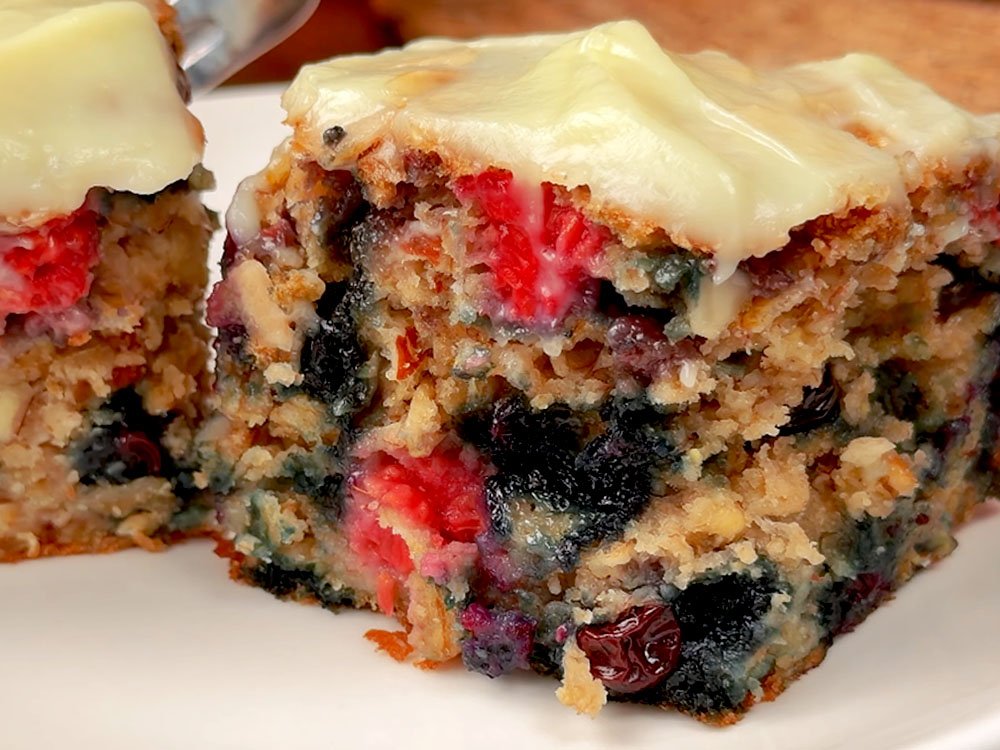
Soft oats create a moist middle, and a broiled coconut pecan topping gives you that classic crunch without any fussy pastry work. Stick around, and you will get the exact tricks for keeping the crumb tender and mastering that caramelized topping on your very first try.
Why You Will Love This Recipe
- Pantry Friendly: Most baking projects demand heavy cream or fancy chocolate chips, but this one relies on basic staples you already own. Flour, sugar, butter, and rolled oats come together without a special trip to the store.
- Incredible Texture: The oats soak up hot water before baking, so the crumb stays super moist instead of drying out. That simple step means the cake tastes just as good on day three as it does out of the oven.
- Easy Broiled Topping: Instead of mixing a separate bowl of frosting, you spread a warm coconut pecan topping right on the hot cake. Pop it under the broiler for two minutes, and you get a bubbling, golden crust.
- Minimal Cleanup: You mix the batter in a single bowl and bake it in a standard thirteen by nine pan. Washing dishes takes about five minutes, leaving you more time to actually enjoy a slice.
- Naturally Cozy: Warm cinnamon and dark brown sugar fill your kitchen with a rich, nostalgic scent that makes any weekend afternoon feel special. It tastes like a vintage recipe passed down through generations.
Ingredients
- Rolled Oats (1 cup): These soak up boiling water to create a soft base that keeps the crumb from drying out. Grab old fashioned rolled oats, and skip instant oats since they turn mushy fast.
- Boiling Water (1 1/4 cups): Pouring boiling water over the oats softens them completely before the batter goes into the oven. Make sure the water is at a rolling boil so the oats plump up properly.
- Unsalted Butter (1/2 cup): Adds rich flavor and keeps the cake tender, so every bite melts on your tongue. Soften the butter on the counter for twenty minutes before mixing so it blends smoothly.
- Granulated Sugar (1 cup): Sweetens the batter and balances the deep, earthy flavor of the oats. Regular white sugar works best here to let the warm cinnamon flavor stand out.
- Dark Brown Sugar (1 cup): Packs a deep molasses taste that makes the cake taste like an old-school bakery treat. Pack the measuring cup firmly so you get the right amount of sweetness.
- Large Eggs (2): Bind the batter together and help the cake rise into a nice, sturdy shape. Beat them slightly before adding them so they mix evenly with the wet ingredients.
- All-Purpose Flour (1 1/3 cups): Gives the cake its structure without making the texture heavy or dense. Spoon the flour into your measuring cup instead of scooping it directly to avoid a dry loaf.
- Baking Soda (1 teaspoon): Reacts with the brown sugar to give the cake a gentle lift in the hot oven. Check the expiration date on your box before baking to guarantee a good rise.
- Ground Cinnamon (1 teaspoon): Infuses the entire batter with a warm spice flavor that pairs wonderfully with the oats. Use fresh cinnamon for the strongest aroma and taste.
- Salt (1/2 teaspoon): Sharpens all the sweet flavors and keeps the cake from tasting flat. Table salt blends into the batter much better than coarse kosher salt here.
- Sweetened Shredded Coconut (1 cup): Toasts up under the broiler to add a nutty crunch on top of the warm cake. Keep a close eye on the oven because coconut burns in seconds.
- Pecans (1/2 cup): Chopped pecans add a buttery crunch that cuts through the soft texture of the cake. Chop them into small pieces so they spread evenly across the topping.
- Milk (1/4 cup): Moistens the coconut pecan topping so it spreads easily across the baked cake. Whole milk works best, but any dairy milk you have in the fridge will do the trick.
Steps to Make Old Fashioned Oatmeal Cake Recipe (Quick and Easy Guide)
Softening the Oats
Measure your rolled oats into a large mixing bowl, and pour the boiling water directly over them. Stir the mixture gently with a wooden spoon until all the dry flakes are completely submerged. Let the bowl sit undisturbed on your counter for twenty minutes while the oats absorb the hot liquid. You will notice the water disappears, and the oats turn plump and heavy.
Mixing the Wet Base
Drop the softened butter, granulated sugar, and dark brown sugar right into the bowl with your soaked oats. Beat everything together vigorously until the mixture looks smooth and creamy, with no butter lumps hiding at the bottom. Crack your two eggs into the bowl one at a time, stirring well after each addition. The batter should smell sweet and buttery at this point.
Adding Dry Ingredients
Toss the all-purpose flour, baking soda, ground cinnamon, and salt into a separate smaller bowl. Whisk those dry ingredients together quickly so the baking soda distributes evenly through the flour. Dump that flour mixture into your wet oat bowl all at once. Stir gently with a spatula just until you no longer see dry white streaks of flour.
Baking the Cake
Grease a thirteen by nine baking pan with a little butter or cooking spray to prevent sticking. Pour your thick batter into the pan, and use your spatula to smooth out the top into an even layer. Slide the pan into a preheated oven set to three hundred fifty degrees. Bake for about thirty minutes until the center springs back softly when you press it with a finger.
Toasting the Topping
Combine your melted butter, dark brown sugar, milk, shredded coconut, and chopped pecans in a medium bowl while the cake bakes. Spread that sticky topping evenly over the hot cake the second it comes out of the oven. Switch your oven to the broil setting, and slide the pan back in on the top rack. Watch the pan closely for two minutes until the coconut turns golden brown and bubbles slightly.
What to Serve with Old Fashioned Oatmeal Cake Recipe
A Cold Glass of Milk
Pour a tall glass of cold whole milk to serve alongside a warm slice of cake. The chilled dairy cuts through the rich brown sugar and balances the sweet coconut pecan topping.
Afternoon Coffee
Brew a strong pot of black coffee to match the deep, cozy flavors of the warm spices. The slight bitterness of the coffee contrasts nicely with the sugary crust on top.
Vanilla Ice Cream
Scoop a ball of cold vanilla bean ice cream right on top of a warm square of cake. The heat from the baked dessert melts the edges of the ice cream into a creamy sauce.
Fresh Whipped Cream
Whisk a cup of heavy cream with a splash of vanilla until soft peaks form. Dollop a generous spoonful onto your plate to add a light, airy contrast to the dense oat crumb.
Storage and Reheating
Room Temperature Storage
Cover your baking pan tightly with plastic wrap once the cake cools down completely. It stays soft and moist on the counter for up to three days at room temperature.
Refrigerating the Leftovers
Move the covered pan into the fridge if your kitchen runs warm during the summer months. The cake firms up slightly in the cold air, so let a slice sit on the counter for ten minutes before eating.
Warming Individual Slices
Slide a single slice onto a microwave-safe plate and heat it for about fifteen seconds. The warm center softens right back up, tasting just like it came out of the oven.
Avoiding the Freezer
Skip freezing this particular cake because the moist oat crumb and coconut topping turn soggy once thawed. It tastes best when eaten fresh within the first few days of baking.
What Makes This Recipe Special
Boiling Water Soak
Pouring boiling water over the oats before adding any other ingredients changes the entire texture of the dessert. This old technique breaks down the tough oat hulls, resulting in a velvety crumb that never feels dry.
Broiled Coconut Pecan Crust
Most cakes rely on heavy buttercream frosting that takes forever to spread and set properly. This recipe uses a warm stovetop mixture that bubbles under the broiler, creating a crispy, caramelized crust in minutes.
One Bowl Simplicity
Baking usually leaves you with a towering stack of dirty measuring cups and mixing bowls to wash later. Keeping everything in a single bowl cuts your cleanup time in half and makes weeknight baking less of a chore.
Rich Brown Sugar Depth
Using both white sugar and dark brown sugar builds a complex sweetness that tastes like old-fashioned fudge. The molasses in the dark brown sugar gives the crumb a rich, caramel flavor you cannot get from white sugar alone.
Pro Tips for the Best Results
Measure Flour Correctly
Flour packs down easily in the bag, leading to dry and crumbly results if you scoop it directly. Use a spoon to fluff your flour, sprinkle it into the measuring cup, and level it off with a flat knife.
Watch the Broiler
Coconut burns from golden brown to charred black in a matter of seconds under a hot broiler. Stand right in front of the open oven door during those two minutes so you can pull the pan out immediately.
Soften Butter Properly
Cold butter refuses to blend smoothly into soaked oats, leaving greasy little chunks in your finished batter. Set your butter on the counter an hour before baking so it reaches room temperature and creams easily.
Let Oats Cool Slightly
Pour boiling water over your oats, but give them a few minutes to soften before adding the eggs. If the water is still boiling hot when the eggs go in, you risk scrambling them right in the bowl.
Variations and Substitutions
Swapping Nuts
Instead of pecans, use chopped walnuts because they provide a similar earthy crunch that pairs well with sweet coconut. Your cake will taste slightly more nutty, but the overall texture stays wonderfully crisp on top.
Cutting the Sugar
Instead of full cups of sugar, reduce the granulated sugar by a quarter cup if you prefer a less sweet dessert. The cake crumb will be slightly less tender, but the coconut topping still balances the flavor.
Using Water for Milk
Instead of dairy milk in the topping, use regular tap water because the melted butter and brown sugar provide enough richness. The topping will still bubble and caramelize under the broiler without any noticeable change in taste.
Dairy Free Swaps
Instead of regular butter and milk, use plant-based butter sticks and canned coconut milk for the topping. The flavor profile shifts toward a richer tropical taste while keeping the crumb soft and moist.
Frequently Asked Questions
Can You Make This Cake Ahead of Time?
Bake the cake a day early because the flavors actually deepen and improve as it sits overnight. Cover the pan tightly so the crumb stays moist until you slice into it.
Is It Okay to Use Quick Oats?
Quick oats work in a pinch, but they absorb the boiling water much faster and yield a mushy texture. Rolled oats hold their shape better and give the cake a hearty, traditional bite.
Are Pecans Required for the Topping?
Leave the pecans out entirely if you have a nut allergy or simply do not keep them in your pantry. The shredded coconut alone provides plenty of sweet crunch under the broiler.
Do You Need a Stand Mixer?
Mix the batter easily by hand using a sturdy wooden spoon or a large rubber spatula. The soft oats and creamed butter blend together effortlessly without any heavy kitchen machinery required.
Does the Cake Need a Pan Liner?
Grease your baking pan thoroughly with butter or cooking spray instead of messing with parchment paper. The thick batter releases easily from a well-greased metal or glass dish.
Can You Freeze Baked Slices?
Freeze individual slices wrapped tightly in plastic wrap for up to one month if you cannot finish the whole pan. Thaw them overnight in the fridge before warming them up in the microwave.
Does the Water Need to Be Boiling?
Boiling water is crucial because it softens the tough oat flakes before the baking soda and flour go in. Warm tap water will not break the oats down enough, leaving your cake dense.
Are Leftover Slices Good Cold?
Eat leftovers straight from the fridge if you prefer a denser, fudgier texture similar to a heavy brownie. The coconut topping firms up nicely when chilled, offering a sweet afternoon snack.
Final Thoughts
Baking a homemade dessert does not require fancy equipment or hours of complicated kitchen prep. This old fashioned oatmeal cake recipe proves that pantry staples can create something truly wonderful with minimal effort. Treat yourself to a warm slice today, and enjoy that cozy, nostalgic flavor.
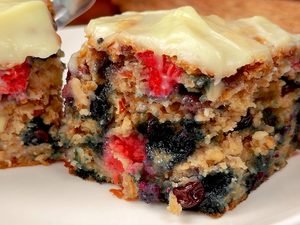
Old Fashioned Oatmeal Cake Recipe
Ingredients
- Rolled Oats (1 cup)
- Boiling Water (1 1/4 cups)
- Unsalted Butter (1/2 cup)
- Granulated Sugar (1 cup)
- Dark Brown Sugar (1 cup)
- Large Eggs (2)
- All-Purpose Flour (1 1/3 cups)
- Baking Soda (1 teaspoon)
- Ground Cinnamon (1 teaspoon)
- Salt (1/2 teaspoon)
- Sweetened Shredded Coconut (1 cup)
- Pecans (1/2 cup)
- Milk (1/4 cup)
Tools You Need
- Large mixing bowl
- Measuring cups
- Wooden spoon
- 13×9 baking pan
- Medium bowl
Steps
- Pour boiling water over rolled oats and let sit for twenty minutes.
- Beat softened butter, granulated sugar, and dark brown sugar into the oats.
- Stir in large eggs one at a time until smooth.
- Mix flour, baking soda, cinnamon, and salt, then fold into the wet batter.
- Bake in a greased pan at three hundred fifty degrees for thirty minutes.
- Combine topping ingredients and spread over the hot baked cake.
- Broil for two minutes until the coconut turns golden brown.