
Whole grain morning toast smells better when it starts with oats, so tossing ingredients into a machine saves your sleepy mornings. Busy kitchens need reliable breakfast loaves, and this one never sticks to the pan when you set the timer right.
Ground oats absorb extra moisture from the paddle, and warm milk softens the grain before the heat turns on. Stick around, and you will learn the exact mixing trick for getting a tall, soft loaf every single time.
Why You Will Love This Recipe
- Oaty Texture: Whole oat flour creates a tender crumb, unlike heavy store bought white bread. Your morning butter melts right into the warm slices, making breakfast feel extra cozy.
- Hands Free Mixing: The machine handles every knead and rise, so you walk away until the beep sounds. You save twenty minutes of arm work, which helps on hectic weekday mornings.
- Wholesome Grains: Oats bring natural fiber to your table, keeping your stomach full past noon. Your body gets steady energy instead of a quick sugar crash before lunch.
- Budget Friendly: Pantry staple oats cost less than specialty artisan flour bags at the grocery store. You bake a massive loaf for pennies, saving money on your weekly household grocery bill.
- House Filling Aroma: Yeast and warm oats fill your kitchen with a cozy, bakery style scent. Your family will wander into the kitchen early, drawn by the smell of baking bread.
Ingredients
- Oat Flour (2 cups): Forms the base of your loaf, giving you a nutty and rustic flavor profile. Buy fine ground flour, or pulse rolled oats in a blender until powdery.
- All Purpose Flour (1.5 cups): Provides the gluten network, helping your heavy oat flour rise into a tall shape. Skip this, and your loaf turns into a dense brick instead of sandwich bread.
- Active Dry Yeast (2 teaspoons): Powers the rise in your machine, turning sugars into airy pockets of gas. Check the expiration date on your jar, because dead yeast leaves you with flat dough.
- Warm Milk (1.25 cups): Activates the yeast quickly while adding fat and softness to the crumb. Warm it to body temperature, since hot liquid kills the yeast on contact.
- Honey (3 tablespoons): Feeds the active yeast and adds a mild sweetness to the final crumb. Real honey works best here, keeping your crust golden brown and slightly crisp.
- Salt (1.5 teaspoons): Controls the yeast activity so your bread does not rise too fast and collapse. Miss this step, and your loaf tastes flat and bland.
- Unsalted Butter (3 tablespoons): Softens the interior texture, keeping your slices moist for days on the counter. Cut it into small cubes, and toss them in cold for easy mixing.
Steps to Make Oatmeal Flour Bread Machine Recipe (Quick and Easy Guide)
Pouring the Liquids First
Warm milk goes into the metal bucket first, coating the bottom so flour does not stick. Softened butter chunks drop right into the liquid, waiting for the dry ingredients to cover them.
Adding Dry Layers Carefully
Oat flour and regular flour blanket the milk, keeping the yeast high and dry above the liquid. Salt gets pushed into one corner of the pan, far away from the active yeast granules.
Settling the Active Yeast
A small well in the center of the flour holds your dry yeast safely away from the salt. Your machine lid closes tightly, locking in the heat before you press the start button.
Watching the First Spin
The heavy metal paddle starts turning slowly, pulling dry flour into the warm liquid until a ball forms. Listen for a smooth slapping sound against the metal sides, which means your dough hydration level is right.
What to Serve with Oatmeal Flour Bread Machine Recipe
Creamy Sweet Butter
Thick butter slices melt into warm oat bread, creating a rich and simple morning snack. Salted butter balances the mild sweetness of the honey inside your toasted slice.
Homemade Berry Jam
Tart fruit spread cuts through the hearty grain flavor of your fresh breakfast loaf. Strawberry or raspberry preserves add a bright red color and sticky sweetness to your plate.
Sharp Cheddar Cheese
Melted cheese creates a savory snack, turning simple bread into a filling afternoon meal. Sharp cheddar contrasts with the nutty oats, making every bite taste bold and savory.
Hot Breakfast Coffee
Dark roast coffee clears your palate between bites of dense, chewy oat toast. A splash of cream softens the coffee bitterness, matching the cozy warmth of the bread.
Storage and Reheating
Countertop Paper Storage
Paper bags keep your crust crisp for two days, protecting your loaf from soggy humidity. Avoid plastic bags at first, because trapped moisture ruins that nice bakery crust.
Plastic Wrap Preservation
Sliced bread moves into a sealed plastic bag on day three to lock in remaining moisture. Press the air out gently before sealing, keeping your crumb soft for sandwiches.
Freezer Bag Protection
Double wrap leftover slices in foil before sliding them into a heavy freezer bag. This stops freezer burn, letting you save half a loaf for busy mornings next week.
Toaster Oven Revival
Frozen slices go straight into the toaster slot for two minutes on medium heat. Your bread comes out hot and crispy, tasting just like it did on baking day.
What Makes This Recipe Special
Rustic Grain Balance
Oat flour adds a heavy texture, but blending it with wheat keeps the loaf light. Most recipes turn out crumbly, but this exact ratio holds together for proper sandwich cutting.
Slow Honey Infusion
Honey sweetens the dough gently, caramelizing the crust without burning the delicate oat sugars. You notice a warm, floral background note that white sugar simply cannot match.
Gentle Paddle Speed
Bread machines mix at a steady pace, kneading the heavy oat gluten without tearing it. This gentle movement traps air bubbles efficiently, creating an even crumb throughout the loaf.
Reliable Daily Rise
Tested proportions prevent the dreaded mid cycle collapse common with heavy grain flours. Your machine handles the guesswork, delivering a tall loaf every single time you bake.
Pro Tips for the Best Results
Checking Dough Consistency
Open the lid five minutes into the cycle to check your rolling dough ball texture. Add a tiny splash of water if the mix looks dry and crumbly against the pan.
Measuring Flour Correctly
Scoop flour into your measuring cup with a spoon, then level it off with a knife. Packing flour down makes your loaf heavy, ruining the soft middle texture you want.
Using Room Temperature Milk
Cold milk from the fridge shocks the yeast and delays the initial rise time. Warm your liquid slightly on the stove first, helping the machine start working right away.
Letting the Loaf Cool
Tip the pan upside down immediately when the machine beeps, sliding the hot loaf onto wire racks. Cutting hot bread crushes the steam pockets, leaving you with gummy, wet slices.
Variations and Substitutions
Swapping Honey for Maple
Instead of honey, use dark maple syrup because it adds a deep caramel flavor. Your finished loaf takes on a woodsy aroma, tasting wonderful with morning butter.
Adding Sunflower Seeds
Instead of plain dough, toss in sunflower seeds because they add a nice crunch. The baked crust gets extra nutty, giving your breakfast toast more texture.
Mixing in Rolled Oats
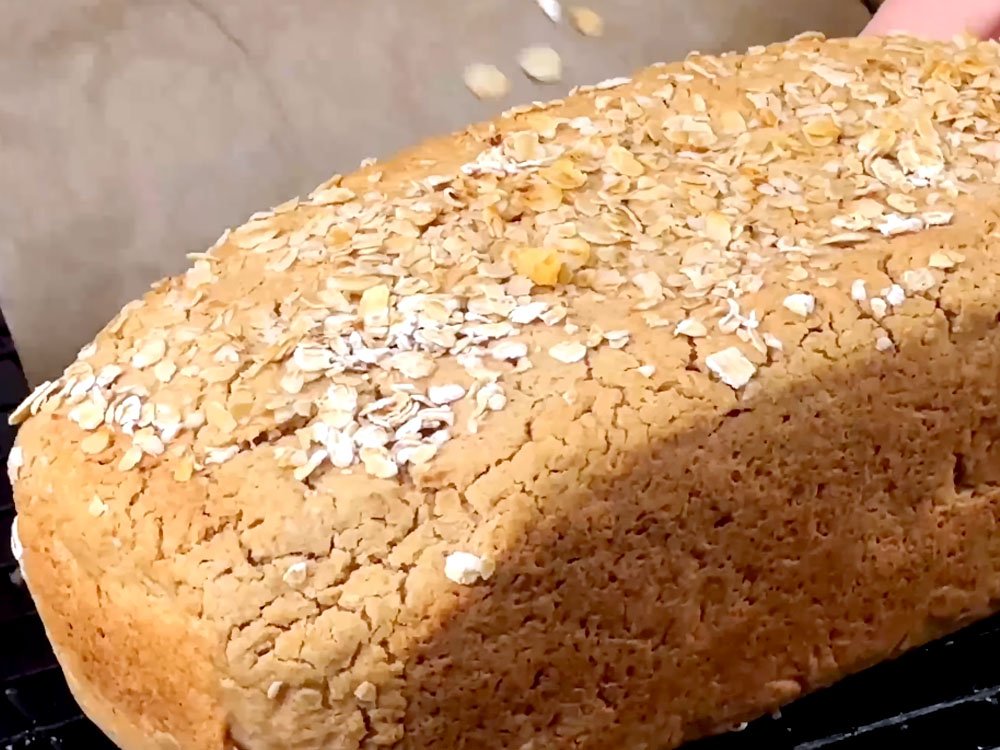
Instead of standard flour, fold in whole rolled oats because they add rustic country looks. Your bread crust gets bumpy and golden, looking like an artisan bakery loaf.
Using Coconut Oil
Instead of dairy butter, use melted coconut oil because it keeps the crumb dairy free. Your toast gets a subtle tropical hint, pairing nicely with fruit jam toppings.
Frequently Asked Questions
Can You Use Quick Oats for Flour?
Yes, quick oats pulse into fine powder easily in a blender, saving you a trip to the store. The texture stays light, giving your bread a soft crumb.
Is Oat Flour Gluten Free Naturally?
No, standard oat flour often contains wheat traces from shared factory milling equipment. Buy certified gluten free oats if you have serious food allergies.
Are Bread Machine Paddles Removable?
Yes, you can pull the metal paddle out after the final knead cycle finishes. This prevents a giant hole from forming at the bottom of your sliced loaf.
Do You Need Active Dry Yeast?
No, instant yeast works just as well and skips the warm milk resting step entirely. Toss instant yeast straight into the dry flour without waiting for bubbles.
Does Cold Water Ruin Dough?
Yes, cold liquid slows the yeast down, leaving your bread flat and dense after baking. Always use warm water or milk to keep the rising process moving smoothly.
Can You Bake This in an Oven?
Yes, use the machine for the dough cycle, then shape and bake in a pan. Bake at 350 degrees for thirty minutes until the crust turns golden brown.
Are Leftover Slices Good for French Toast?
Yes, day old oat bread absorbs egg batter well without falling apart in the pan. The sturdy crumb holds its shape, creating a rich and hearty breakfast meal.
Does Salt Kill Active Yeast?
Yes, direct contact with salt kills yeast cells, stopping your dough from rising properly. Always bury your salt in a corner away from the yeast well.
Final Thoughts
Baking a fresh loaf at home fills your kitchen with warmth and simple comfort. Grab your ingredients today, and enjoy a warm slice of homemade oat bread by morning.
Oatmeal Flour Bread Machine Recipe
Ingredients
- Oat flour (2 cups)
- All purpose flour (1.5 cups)
- Active dry yeast (2 teaspoons)
- Warm milk (1.25 cups)
- Honey (3 tablespoons)
- Salt (1.5 teaspoons)
- Unsalted butter (3 tablespoons)
Tools You Need
- Bread machine
- Measuring cups
- Measuring spoons
- Silicone spatula
- Wire cooling rack
Steps
- Pour warm milk and butter into the bread machine pan.
- Add oat flour and all purpose flour over the liquid layer.
- Place salt in one corner and active dry yeast in a center well.
- Select the basic white bread setting on your machine.
- Press start and let the machine handle mixing and baking.
- Tip the hot loaf onto a wire rack immediately after the beep.
- Slice the bread only after it cools completely to room temperature.