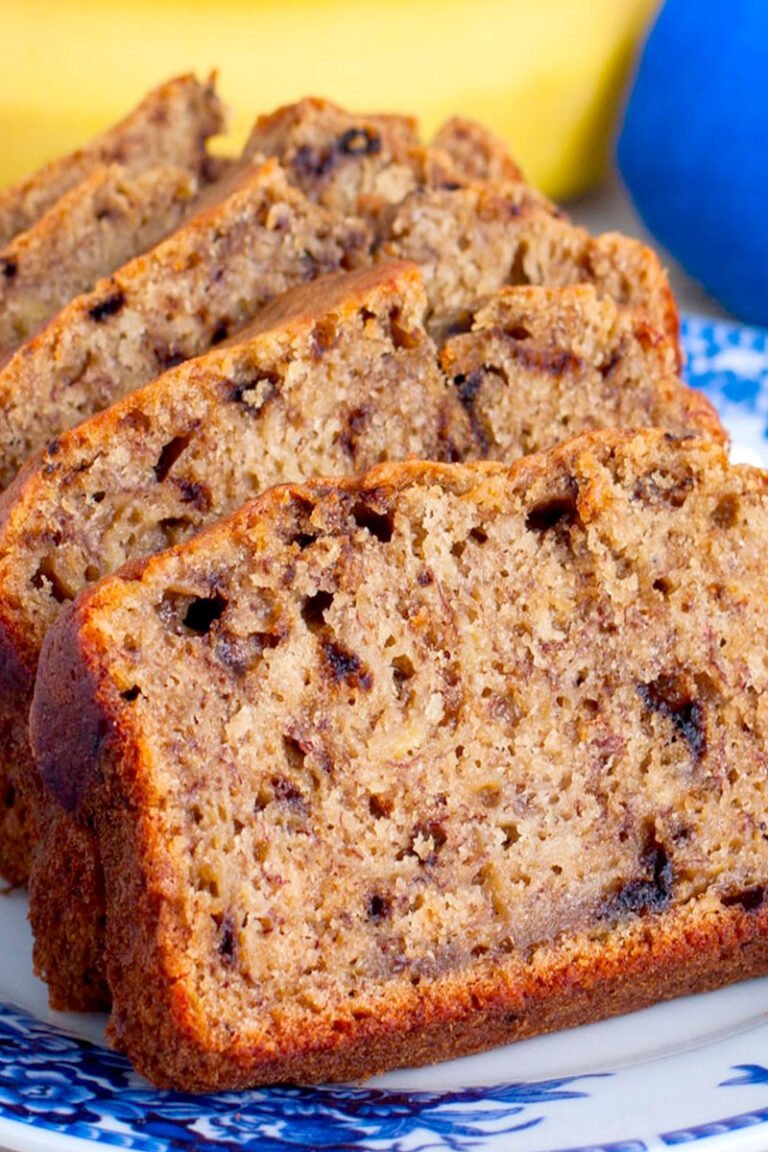

Warm syrup running down a thick slice of golden toast, always makes Sunday mornings feel slower and much better. Regular sandwich bread turns out limp and soggy, but a rich loaf changes the entire breakfast game from ordinary to bakery quality.
Stale brioche absorbs the custard without falling apart, so your slices stay soft inside and crisp on the edges. Grab a thick loaf, and you will learn the exact method for making diner style breakfast at home.

Why You Will Love This Recipe
- Golden Crust: The butter inside the bread melts in the hot pan, creating a deep golden brown edge on every single bite. That crisp exterior gives way to a soft center, so your breakfast never turns out dry or tough.
- Quick Weekday Morning: You can whisk the custard in sixty seconds, and get breakfast on the table before the kids miss the bus. Busy mornings need fast food, and this pan sears fast without making a mess.
- Zero Waste: Stale bread works better than fresh bread, because dry crumb drinks up more egg mixture. You can rescue a forgotten loaf from the counter, and turn yesterday’s stale bread into breakfast gold.
- Pantry Friendly Basics: Eggs, milk, and vanilla live in your fridge right now, so you never need a special grocery run. Basic ingredients come together easily, and you save money while feeding the whole family.
- Kid Approved Sweetness: A dusting of powdered sugar makes these slices taste like weekend treats, without needing heavy syrups. Kids love the rich buttery flavor, and you control the sweetness level completely.
Ingredients
- Thick Cut Brioche Loaf (4 thick slices): The high butter content in brioche creates a rich, custard like center that regular sandwich bread cannot match. Slice your loaf at least one inch thick, because thin pieces break apart in the liquid.
- Large Eggs (2): Eggs build the protein structure of your custard, helping the batter cling tightly to the bread slices. Two large eggs coat four thick slices nicely, leaving zero waste in your shallow bowl.
- Whole Milk (half cup): Milk thins out the heavy eggs just enough, so the batter soaks deep into the bread instead of sitting on top. Whole milk adds a creamy body, but oat milk works fine if you need a dairy swap.
- Vanilla Extract (one teaspoon): Vanilla cuts through the eggy smell, leaving behind a warm aroma while the bread toasts in the pan. Pure extract tastes much better than imitation, so use the real stuff if you have it.
- Ground Cinnamon (half teaspoon): Cinnamon adds a cozy background spice, turning plain custard into something that smells like a bakery. Stir the spice into the liquid well, because cinnamon hates to dissolve in cold milk.
- Unsalted Butter (two tablespoons): Butter gives your crust that nutty flavor and golden color that oil just cannot copy. Melt it in a hot skillet right before the bread goes in, and watch the edges sizzle instantly.
Quick and Easy Steps to Make Brioche Bread French Toast Recipe
Whisking the Liquid Base
Crack two large eggs into a wide shallow bowl, and beat them thoroughly with a fork until no stringy whites remain. Pour in the whole milk along with your vanilla extract, and scatter the ground cinnamon across the surface. Whisk the mixture vigorously until the spice blends completely, leaving a smooth yellow bath ready for your bread.
Sinking the Bread Slices
Lay a thick slice of brioche flat in the liquid, letting it sit for twenty seconds to drink up the moisture. Flip the piece over gently, and count to ten while the other side soaks up the remaining custard. Lift the heavy slice out with a wide spatula, letting the excess drip back into the bowl so your pan does not flood later.
Sizzling in the Hot Skillet
Set your heavy skillet over medium heat, and drop a pat of butter into the center until it melts and foams up nicely. Lay the soaked brioche right into the melted butter, listening for an immediate sizzle that tells you the pan is hot enough. Leave the slice alone for three solid minutes, watching the bottom edge turn a deep amber brown before you even think about touching it.
Flipping and Finishing Up
Slide your thin spatula underneath the golden crust, and flip the slice over in one confident motion. Cook the second side for another two minutes, letting the middle finish steaming while the bottom crisps up. Transfer the hot toast to a warm plate immediately, and repeat the process for your remaining slices before the butter burns in the pan.
What to Serve with Brioche Bread French Toast Recipe
Warm Maple Syrup
Pure maple syrup brings a deep woodsy sweetness, soaking straight into the porous brioche without making the crust soggy. Warm the syrup in a small mug for twenty seconds, and watch it melt right into the hot buttered surface.
Fresh Berry Compote
Tart raspberries and sweet blueberries boiled down with a splash of water, add a bright punch that cuts through the rich egg flavor. Spoon the warm fruit over your stack, and enjoy the contrast of hot bread and cool fruit.
Crispy Breakfast Bacon
Salty bacon strips offer a crunchy side dish, balancing out the sugary sweetness of your breakfast plate. Wrap your maple syrup and bacon into one bite, and you get the ultimate sweet and savory combination.
Whipped Vanilla Butter
Softened butter beaten with a splash of vanilla and a pinch of powdered sugar, melts slowly over the hot toast peaks. That extra dollop adds a creamy richness, making your homemade breakfast taste straight out of a diner menu.
Storage and Reheating
Keeping Extras Fresh
Store leftover slices in an airtight container in your fridge for up to three days, separated by small sheets of parchment paper. Brioche dries out fast in the cold air, so a sealed lid protects your leftover breakfast from turning into rubber.
Warming in the Toaster
Drop a refrigerated slice straight into your toaster slot on a medium setting for a quick morning fix. The toaster revives that crisp outer edge in two minutes, saving you from turning on the stove all over again.
Baking in the Oven
Lay your leftover slices on a wire rack over a baking sheet, and heat them at three hundred fifty degrees for ten minutes. This oven method warms the soft center evenly, making your day old toast taste almost like you just made it fresh.
Freezing for Later
Place cooled slices on a baking sheet in the freezer for one hour, then transfer them into a heavy zip top bag. Frozen brioche toast stays good for a month, ready for busy school mornings when you need breakfast in a hurry.
What Makes This Recipe Special
Using Day Old Bread
Stale brioche acts like a dry sponge, soaking up the egg custard way better than fresh soft loaves ever could. That slight dryness prevents a gummy center, giving your finished toast a custard like interior that melts on your tongue.
The Right Thickness
Slicing your loaf one inch thick stops the bread from dissolving into mush the second it touches the wet bowl. That extra heft holds the weight of the custard, keeping your slices sturdy enough to flip without breaking in half.
Butter Instead of Oil
Cooking in real butter creates a nutty, caramelized crust that vegetable oil simply cannot achieve on a stovetop. Your kitchen smells like a bakery while the milk fat browns, turning basic toast into a special weekend event.
Low and Steady Heat
Medium heat gives the eggs inside the bread time to cook through, without burning the outside sugar to a bitter crisp. That gentle pace ensures a hot, fluffy center, so you never bite into a raw eggy middle.
Pro Tips for the Best Results
Do Not Rush the Soak
Letting the bread sit too long turns your slices into soggy mush that falls apart on the spatula. Count to twenty seconds per side, and lift the bread out the moment it feels heavy in your hand.
Watch the Butter Burn
Butter turns black and bitter fast if your skillet gets too hot before the bread even hits the surface. Wipe the pan clean between batches, and add fresh butter for every new round to keep your crust tasting clean.
Use Room Temperature Dairy
Cold milk shocks the fresh eggs, making it harder to whisk a smooth liquid mixture for your bread. Pull your milk and eggs out ten minutes before cooking, and the batter will blend together without any lumps.
Preheat Your Skillet
Dropping brioche into a cold pan ruins the crust, soaking up grease instead of frying up crisp and golden. Let your skillet heat up for five full minutes, so the butter sizzles immediately upon contact.
Variations and Substitutions
Dairy Free Morning Swaps
Instead of whole milk, use plain oat milk because it adds a creamy thickness that mimics dairy quite well. Your toast will still turn out rich, and anyone with a milk allergy can enjoy breakfast right along with you.
Adding Warm Spices
Instead of plain cinnamon, use a pinch of ground nutmeg and cardamom for a deeper, more complex bakery aroma. The result tastes extra cozy, making your kitchen smell like a holiday morning in the middle of spring.
Citrus Zest Twist
Instead of vanilla extract alone, grate a little fresh orange peel right into your wet egg mixture. That bright citrus note cuts through the heavy butter, giving your sweet breakfast a fresh and unexpected flavor pop.
Savory Cheese Style
Instead of sugar and vanilla, add a pinch of salt and black pepper to your egg bath for a savory brunch twist. Top your cooked brioche with melted cheddar and ham, and you get a brilliant breakfast sandwich base.
Frequently Asked Questions
Can I Make This Ahead of Time?
You can whisk the custard the night before, and keep it covered in your fridge until morning. Slice your brioche ahead too, but leave the actual soaking and cooking for breakfast time so the bread stays firm.
Is This Recipe Freezer-friendly?
Cooked brioche slices freeze wonderfully for busy mornings when you have zero time to cook from scratch. Reheat them straight from the frozen state in your toaster oven, and they taste remarkably fresh.
Are There Any Dairy-free Options?
Oat milk or almond milk work nicely in place of regular whole milk without changing the cooking time. The bread still absorbs the liquid easily, keeping your dairy free breakfast just as rich and satisfying.
Do I Need a Special Pan for This?
A heavy cast iron skillet or a sturdy nonstick pan works best for getting that even golden crust. Just make sure your pan is wide enough to hold two slices without crowding the edges.
Does This Work with Frozen Bread?
Frozen brioche slices need to thaw completely on the counter before you try soaking them in the liquid. If the bread is still icy in the center, it will not drink up the custard properly.
Can I Use Regular Sandwich Bread?
Regular white bread works in a pinch, but it lacks the buttery richness that makes brioche so special. Thin sandwich bread also tends to get soggy fast, so watch your soaking time closely.
Why is My Toast Soggy Inside?
Your pan was probably too hot, cooking the outside crust before the egg center could finish steaming through. Drop your burner down to medium low next time, and let the bread cook a little slower.
Final Thoughts
Making diner style breakfast at home is easier than you think, especially with a rich loaf of brioche on hand. Treat your family to this golden toast this weekend, and watch how fast those plates empty out.

Brioche Bread French Toast Recipe
Ingredients
- Thick Cut Brioche Loaf (4 thick slices)
- Large Eggs (2)
- Whole Milk (half cup)
- Vanilla Extract (one teaspoon)
- Ground Cinnamon (half teaspoon)
- Unsalted Butter (two tablespoons)
Tools You Need
- Shallow bowl
- Wire whisk
- Heavy skillet
- Wide spatula
- Measuring cups
Steps
- Whisk eggs, milk, vanilla, and cinnamon in a shallow bowl until smooth.
- Submerge each brioche slice in the liquid for twenty seconds per side.
- Melt butter in a skillet over medium heat until it sizzles.
- Place soaked bread into the hot skillet and cook for three minutes per side.
- Transfer the golden toast to warm plates and serve with syrup.