
Pancake mornings usually mean digging through three different cookbooks, or staring at a glowing phone screen while sticky batter drips onto the counter. You want something fast, but box mixes always taste flat and boring, leaving everyone hungry an hour later.
Real butter and cold buttermilk change everything, giving you a thick batter that puffs up high on a hot griddle instead of spreading flat like a crepe. Stick around, and you will get the exact trick for keeping your pancakes tender and tall every single time.
Why You Will Love This Recipe
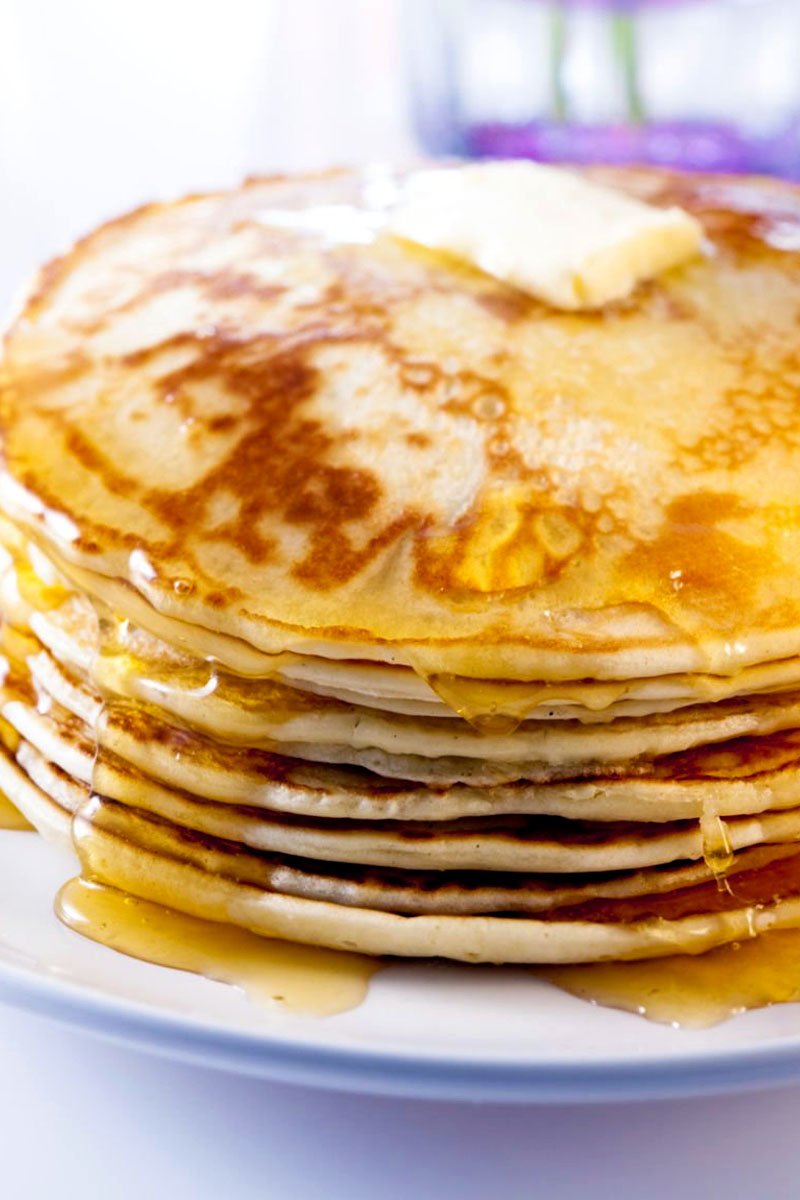
- Tender Center: The active buttermilk breaks down the flour, creating a soft middle that melts in your mouth without any gummy spots.
- Golden Crust: Hot butter in the pan fries the edges into a crispy lace, giving you that great contrast against the fluffy inside.
- Pantry Staple: You only need basic baking supplies from your cupboards, meaning zero emergency trips to the grocery store before breakfast.
- Fast Assembly: The wet ingredients whisk together in minutes, letting you feed a hungry family before anyone loses their patience.
- Zero Waste: Every single measurement uses common amounts, so you never end up with half a carton of something weird left behind.
Ingredients
- All-Purpose Flour (2 cups): Provides the main structure for your batter, giving the cakes enough strength to hold their shape while cooking. Spoon the flour into your measuring cup rather than scooping it, since packed flour makes heavy pancakes.
- Buttermilk (1 and 3/4 cups): Reacts with the baking soda to create fizzy bubbles, making the whole stack rise higher than regular milk ever could. Buy the real thick kind from the dairy aisle for the best sour tang.
- Granulated Sugar (2 tablespoons): Adds just a tiny hint of sweetness to balance the sour milk, while helping the edges turn golden brown. Do not skip this tiny amount, or your breakfast will taste plain.
- Baking Powder (2 teaspoons): Works alongside the baking soda to lift the batter off the hot griddle, ensuring a light and airy texture. Check the date on your tin, because old powder leaves pancakes flat.
- Baking Soda (1/2 teaspoon): Neutralizes the acid in the buttermilk, creating the chemical reaction that gives you those famous fluffy pockets inside. Make sure your powder and soda are fresh for maximum lift.
- Melted Butter (1/4 cup): Adds rich flavor straight into the batter, while keeping the inside moist long after the stack hits the table. Let it cool for a minute before mixing, so it does not cook your raw eggs.
Quick and Easy Steps to Make Betty Crocker Buttermilk Pancake Recipe
Whisking the Dry Goods
Big mixing bowls hold the flour, sugar, baking powder, and soda, waiting for you to blend them together. A wire whisk works best here, breaking up any hidden clumps so your batter stays smooth. Take thirty seconds to stir everything well, because nobody wants a pocket of salty baking soda in their breakfast.
Combining Wet Components
Cold buttermilk pours into a separate pitcher with the eggs and melted butter, splashing slightly as it settles. Whisk those liquid ingredients fast, watching the mixture turn pale yellow and slightly frothy on top. Pour that wet bowl right into your dry flour mixture, stopping the moment you see the dry spots disappear. Lumps are totally fine, so put down the spoon and walk away from the bowl before you overmix the batter.
Heating the Griddle
Medium heat warms up your heavy skillet, letting the metal reach an even temperature across the bottom. A small pat of butter slides across the surface, melting instantly and hissing with a tiny puff of smoke. Wipe away any excess grease with a paper towel, ensuring your pancakes get an even golden color instead of frying unevenly.
Flipping the Cakes
Ladle pools of thick batter onto the hot skillet, listening to the gentle sizzle as the edges set. Watch the surface closely for tiny bubbles to pop, signaling that the underside is turning golden brown. Slide your spatula underneath with confidence, flipping each cake in one smooth motion to reveal a perfect, toasted circle.
What to Serve with Betty Crocker Buttermilk Pancake Recipe
Pure Maple Syrup
Real maple syrup warms up in a small glass cup, ready to pool inside every cozy valley of your stack. Avoid the fake corn syrup kinds, since true tree syrup brings a deep caramel flavor that complements the sour buttermilk. Drizzle it generously over the top, letting it soak down to the very bottom layer.
Salty Butter Pats
Cold butter slices rest on top of the steaming stack, melting slowly into golden rivers down the sides. The salt cuts through the sweet syrup, balancing every single bite so your breakfast never tastes heavy or cloying. Drop a fresh pat on halfway through your meal, keeping the top cakes just as rich as the first ones.
Crisp Bacon Strips
Salty bacon sizzles in a separate pan, frying until every strip turns shatteringly crisp and dark. Lay two strips right next to your pancake stack, giving you that classic sweet and savory contrast. The smoky grease pairs wonderfully with the buttery flour cakes, rounding out your morning plate.
Fresh Berry Compote
Warm blueberries bubble on the stove with a squeeze of lemon juice, breaking down into a thick and glossy sauce. Spoon that purple fruit over your golden cakes, adding a tart punch that wakes up your tastebuds. It beats cold fruit from the fridge every time, bringing a restaurant feel to your kitchen table.
Storage and Reheating
Counter Cooling
Leftover pancakes sit on a wire cooling rack, releasing steam so the bottoms never get soggy from trapped moisture. Let them reach room temperature completely, because sealing warm cakes in a bag breeds condensation and ruins the texture. Once cool, stack them neatly between small squares of parchment paper.
Fridge Stacking
A zip-top plastic bag holds your stacked pancakes securely, keeping the air out of the refrigerator. They stay fresh for up to three days this way, waiting for a fast breakfast on a busy Tuesday morning. Press all the extra air from the bag before sealing it shut.
Toaster Refreshing
Pop a cold pancake straight into your kitchen toaster, dropping the lever down for a quick toast cycle. The outside crisps right back up, while the inside turns piping hot and soft again without needing a microwave. Watch the dial closely, since homemade batter browns much faster than frozen store-bought waffles.
Oven Warming
Aluminum foil wraps around a stack of leftover pancakes, sealing the edges tightly before they go into a low oven. Warm them at three hundred degrees for ten minutes, letting the heat penetrate the middle evenly. This method works wonders when you are feeding a crowd and need all your leftovers ready at once.
What Makes This Recipe Special
Chemistry Magic
Acidic buttermilk reacts with baking soda instantly, creating tiny carbon dioxide bubbles that trap air inside the cooking batter. Most modern breakfast recipes skip this step, but traditional science gives these cakes an unbeatable lift. You can actually see the batter growing lighter while it rests on your counter.
Crispy Laced Edges
Hot butter hits the bottom of a cast iron skillet, frying the outer batter until it turns golden brown and crunchy. That crispy edge provides the ultimate texture contrast against the pillowy soft interior underneath. It ruins you for flat diner griddles forever, once you taste the difference.
Perfect Thickness
Heavy batter refuses to spread out too thin, piling up into thick rounds that hold their lofty shape on the plate. Thin batters make sad, floppy circles, but this traditional formula stays plump and satisfying. You only need two cakes to feel completely full until lunch rolls around.
Nostalgic Flavor
Old-fashioned buttermilk brings a subtle tang that cuts through the rich syrup and butter on your plate. It tastes like Sunday mornings at your grandparents’ house, filled with patience and real ingredients. Nothing artificial touches this griddle, keeping the flavor honest and comforting.
Pro Tips for the Best Results
Resting the Batter
Letting your mixed batter sit on the counter for ten full minutes allows the flour to absorb all that liquid completely. Do not skip this resting period, because rushed batter results in tough, rubbery pancakes instead of fluffy clouds. You will notice tiny bubbles forming on the surface while you wait, proving the leavening agents are doing their job.
Checking the Heat
Medium-low heat is your best friend here, giving the inside enough time to cook before the outside burns to a crisp. If your first pancake turns black in sixty seconds, your pan is way too hot for the rest of the batch. Wipe the skillet clean, turn down the dial, and let the metal cool slightly before trying again.
Avoiding Overmixing
Stirring your batter until every single lump disappears ruins the texture by developing too much gluten in the flour. Leave a few small lumps floating around, trusting that the baking soda will smooth things out on the hot griddle. Gentle folding creates tender results, while aggressive stirring makes hockey pucks.
Testing the Skillet
Splash a single drop of water onto your preheated pan to see if it dances and evaporates immediately. That tiny hiss tells you the surface is hot enough to start frying without burning your butter instantly. If the water just sits there lazily, wait another minute for the metal to heat up.
Variations and Substitutions
Blueberry Burst
Instead of plain batter, drop fresh blueberries into each circle right after you ladle it onto the skillet. The fruit pops and releases hot juice while cooking, giving you pockets of tart sweetness in every single bite. Always use fresh berries instead of frozen ones, since frozen fruit turns the batter purple and watery.
Chocolate Chip Fun
Toss a handful of mini chocolate chips into the dry flour mixture before adding any liquids. The chocolate melts into gooey pockets on the hot griddle, making this variation an instant hit with younger family members. Use semi-sweet chips so the breakfast does not cross the line into dessert territory.
Whole Grain Swap
Instead of using all-purpose flour for the whole batch, substitute half of it with white whole wheat flour for extra fiber. The batter gets a slightly nutty flavor, while keeping that same fluffy texture you expect from buttermilk cakes. Your body will appreciate the extra nutrients, without sacrificing any weekend comfort.
Milk Alternative
Instead of real buttermilk, stir one tablespoon of fresh lemon juice into regular whole milk and let it sit for five minutes. The milk curdles and sours just like the real deal, saving you a trip when your fridge is running low. The rise might be slightly less dramatic, but the flavor hits all the right nostalgic notes.
Frequently Asked Questions
Can I Make This Batter Ahead of Time?
Raw pancake batter loses its rising power if it sits in the refrigerator overnight, leaving you with flat cakes. Mix your dry ingredients the night before instead, leaving the wet components for the morning. That simple prep trick saves you precious minutes, while keeping your breakfast light and fluffy.
Is This Recipe Freezer-friendly?
Cooked pancakes freeze beautifully when layered with parchment paper inside a heavy-duty freezer bag. Reheat them straight from frozen in your toaster, getting a quick breakfast on busy school mornings. They hold their texture well for up to one month in the freezer.
Are There Any Dairy-free Options?
Almond milk mixed with lemon juice replaces the buttermilk, while melted coconut oil substitutes for the butter. The pancakes will taste slightly nutty, but the chemical reaction still happens and provides a decent rise. Keep an eye on your heat, because dairy-free fats tend to burn a bit faster.
Do I Need a Special Pan for This?
Cast iron skillets and heavy non-stick griddles work wonderfully for cooking this breakfast evenly without sticking. Avoid cheap, thin pans that create hot spots and burn the butter before the inside cooks through. A flat surface gives you the best control over your golden crusts.
Does This Work with Frozen Blueberries?
Frozen berries release too much liquid into the batter, turning your pancakes gray and soggy in the middle. Toss fresh berries into the mix instead, or press them gently into the batter after pouring it on the griddle. That simple step keeps your breakfast looking bright and appetizing.
Can I Bake These in the Oven?
Pancakes need direct contact with a hot, greased surface to develop that classic golden crust and rise properly. Oven baking turns them into dense muffins instead of the fluffy cakes you actually want for breakfast. Stick to the stovetop for the best possible results.
Does the Butter Need to Be Cooled?
Melted butter must cool down for a couple of minutes before joining your eggs and cold buttermilk. Hot butter scrambles your raw eggs instantly, ruining the batter before it ever reaches the hot skillet. Pour the warm butter in a slow stream while whisking continuously to keep everything smooth.
Final Thoughts
Weekend mornings deserve real food that makes your whole house smell incredible and brings everyone to the kitchen table. Grab your whisk, fire up the skillet, and enjoy a stack of these fluffy cakes today.
Betty Crocker Buttermilk Pancake Recipe
Ingredients
- All-Purpose Flour (2 cups)
- Buttermilk (1 and 3/4 cups)
- Granulated Sugar (2 tablespoons)
- Baking Powder (2 teaspoons)
- Baking Soda (1/2 teaspoon)
- Melted Butter (1/4 cup)
- Large Eggs (2)
- Salt (1/2 teaspoon)
Tools You Need
- Large mixing bowl
- Wire whisk
- Heavy skillet or griddle
- Measuring cups
- Spatula
Steps
- Whisk the flour, sugar, baking powder, baking soda, and salt together in a large bowl.
- Combine the buttermilk, eggs, and cooled melted butter in a separate pitcher.
- Pour the wet mixture into the dry ingredients and stir gently until just combined.
- Heat your skillet over medium heat and grease it lightly with butter.
- Ladle the batter onto the hot pan and flip when bubbles form on top.