

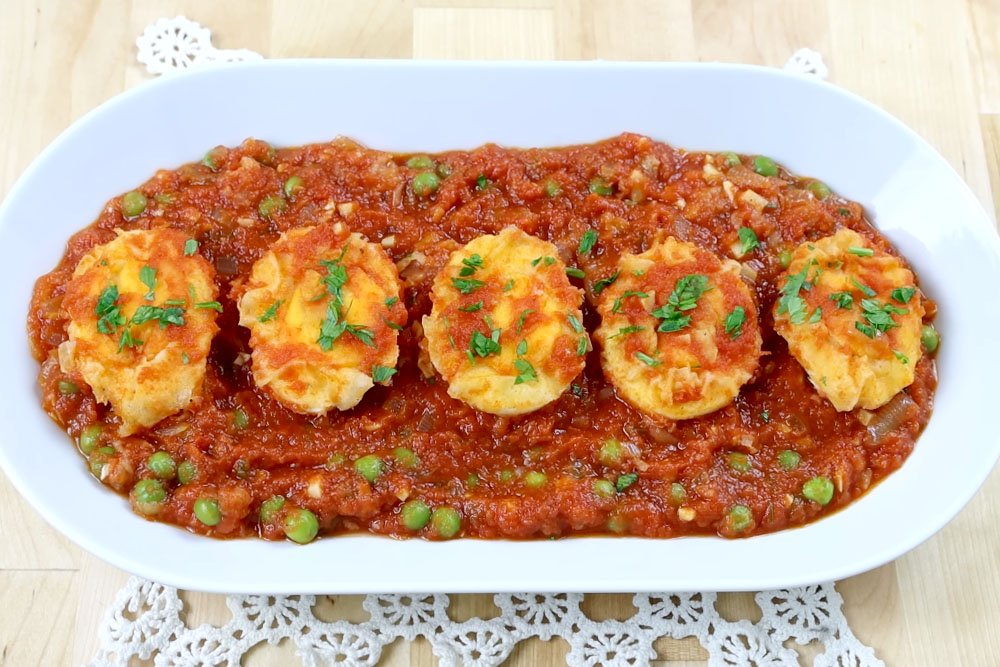
There’s something comforting about a simple dish done right. This recipe for boiled eggs with tomato sauce is one of those humble meals that packs a surprising punch. It's the kind of food that feels familiar, yet when you taste the tangy sauce meeting the tender eggs, you realize it's something special.
Growing up, variations of this dish were a weeknight staple. It was quick to put together after school, and it always hit the spot. The magic happens in the balance: the slight acidity of the tomatoes cuts through the richness of the eggs, creating a perfect bite every time.
This recipe is about showing you how a few simple ingredients can come together to create a deeply satisfying meal. You'll learn how to get perfect boiled eggs and create a quick, flavorful sauce that makes them shine. Get ready for a dish that's both nourishing and incredibly easy to love.
Why You Will Love This Recipe
- Effortless Weekday Meal: You can have this ready from start to finish in under 30 minutes. It's ideal for those busy mornings when you need something filling but quick.
- Simple, Wholesome Ingredients: This recipe relies on pantry staples. You likely have most, if not all, of the ingredients already in your kitchen right now.
- Perfectly Cooked Eggs: You'll master the technique for consistently tender, perfectly cooked boiled eggs every single time. No more overcooked or undercooked yolks.
- Flavorful Tomato Sauce: The sauce is bright, slightly tangy, and deeply savory. It coats the eggs beautifully without being heavy.
- Highly Customizable: It's a fantastic base recipe that you can easily adapt to your own tastes with added spices or herbs.
Ingredients
- 4 large eggs
- 1 tablespoon olive oil
- 1/2 medium onion, finely chopped
- 1 clove garlic, minced
- 1 (14.5 ounce) can diced tomatoes, undrained
- 1/2 teaspoon dried oregano
- 1/4 teaspoon red pepper flakes (optional, for a little heat)
- Salt and freshly ground black pepper to taste
- Fresh basil leaves, for garnish (optional)
How to Make Boiled Eggs with Tomato Sauce — Step by Step
Start with the Tomato Sauce
Heat the olive oil in a medium skillet or saucepan over medium heat. Add the finely chopped onion and cook, stirring occasionally, until it softens and becomes translucent, about 5–7 minutes. You want the onions to be soft and sweet, not browned. If they start to stick, you can add a tiny splash of water.
Add Aromatics and Tomatoes
Add the minced garlic to the skillet and cook for about 30 seconds until fragrant. Be careful not to burn the garlic; it can turn bitter quickly. Pour in the can of diced tomatoes, including their juices. Stir in the dried oregano and red pepper flakes, if you're using them.
Simmer the Sauce
Bring the sauce to a gentle simmer. Reduce the heat to low, cover the skillet, and let it cook for about 10–15 minutes. This allows the flavors to meld together and the sauce to thicken slightly. You'll notice the kitchen starting to fill with a wonderful aroma. Season generously with salt and freshly ground black pepper to your liking.
Prepare the Boiled Eggs
While the sauce simmers, bring a separate saucepan of water to a rolling boil. Carefully lower the eggs into the boiling water. Let them boil for 9–10 minutes for a firm yolk and white. You can adjust this time slightly based on your preference for yolk doneness, but 9–10 minutes is a good target for a fully cooked egg.
Cool and Peel the Eggs
Once the eggs have finished boiling, immediately transfer them to a bowl filled with ice water. Let them sit in the ice bath for at least 5 minutes. This stops the cooking process and makes them much easier to peel. Gently tap each egg on a hard surface, then roll it between your hands to crackle the shell all over. Start peeling from the wider end, under cool running water if needed to help lift the shell.
Combine and Serve
Once the eggs are peeled, gently slice them in half lengthwise, or leave them whole if you prefer. Spoon the warm tomato sauce over the eggs in the skillet, or arrange the eggs in shallow bowls and ladle the sauce over them. Garnish with fresh basil leaves, if desired, for a pop of color and fresh flavor. Serve immediately.
What to Serve with Boiled Eggs with Tomato Sauce
Crusty Bread for Dipping
A slice of warm, crusty bread is practically essential with this dish. Its rough texture is perfect for soaking up every last drop of the flavorful tomato sauce. Think of a baguette, ciabatta, or even a hearty sourdough. You can simply toast it or give it a light brush of olive oil and a quick grill for extra flavor.
A Simple Green Salad
To balance the richness of the eggs and sauce, a light, fresh green salad is an excellent choice. Use mixed greens, spinach, or arugula. A simple vinaigrette with lemon juice, olive oil, salt, and pepper is all you need. It adds a refreshing contrast and a touch of acidity.
Roasted Potatoes or Wedges
For a more substantial meal, roasted potatoes or wedges make a perfect sidekick. The earthy flavor of the potatoes complements the tomato sauce, and the crispy edges offer a lovely textural contrast. Season them simply with salt, pepper, and maybe a pinch of paprika.
Steamed Green Beans
Steamed green beans offer a clean, slightly sweet flavor that pairs well with the dish. They are also a great way to add more vegetables to your meal without a lot of fuss. A little salt and a squeeze of lemon juice is all they need.
Storage and Reheating
Store Leftover Sauce Separately
If you have leftover tomato sauce, it's best to store it in an airtight container in the refrigerator. It will keep well for up to 3–4 days. Storing it separately from the eggs ensures the eggs don’t get mushy in the sauce over time.
Reheat Sauce Gently
To reheat the tomato sauce, place it in a small saucepan over low heat. Stir occasionally until it's warmed through. You can add a tiny splash of water or broth if the sauce has thickened too much during storage. Avoid high heat, which can alter the sauce's texture.
Boiled Eggs Are Best Fresh
Boiled eggs themselves are generally best enjoyed fresh. While you can store peeled hard-boiled eggs in the refrigerator for a couple of days, their texture can sometimes become a bit rubbery or chalky when reheated, especially if they've been sitting in sauce.
Assemble Just Before Serving
For the best experience, it's ideal to cook your eggs fresh and make the sauce just before you plan to eat. If you need to save time, you can make the sauce a day ahead and reheat it. Then, boil your eggs and combine them right at mealtime.
What Makes This Recipe Special
Humble Ingredients, Big Flavor
This recipe proves that you don’t need fancy ingredients to create something delicious. The combination of pantry staples like canned tomatoes, onions, and garlic, when cooked down, creates a surprisingly deep and satisfying flavor. It's a testament to the power of simple cooking techniques.
The Perfect Egg Texture
Achieving perfectly cooked boiled eggs can be tricky. This method ensures you get tender whites and a creamy, fully cooked yolk every time. The slight chill in an ice bath is key to stopping the cooking and making peeling a breeze, preventing that dreaded grey ring around the yolk.
A Versatile Foundation
The tomato sauce acts as a wonderful, versatile base. Its slight tang and savory notes complement the eggs beautifully, but it also welcomes additions. It's a blank canvas waiting for you to experiment with different herbs, spices, or even a touch of cream for a richer sauce.
Comforting and Nourishing
There's an inherent comfort in eggs and a simple tomato sauce. It's a dish that feels both nourishing and grounding. It provides protein from the eggs and vitamins from the tomatoes, making it a satisfying meal that feels good to eat.
Pro Tips for the Best Results
Use Fresh Garlic and Onions
Always use fresh garlic and onions for the sauce base. Dried garlic or onion powder won't give you the same depth of flavor. Finely chopping them ensures they soften evenly and blend into the sauce without overwhelming it.
Don't Skip the Ice Bath
The ice bath for your boiled eggs is non-negotiable if you want easy peeling. Plunging hot eggs into ice-cold water shocks them, causing the egg white to contract slightly from the shell. This separation makes them peel much more smoothly and prevents tearing the whites.
Adjust Sauce Consistency
If your tomato sauce seems too thick, add a tablespoon or two of water or vegetable broth while it's simmering. If it's too thin, let it simmer uncovered for a few extra minutes to allow some of the liquid to evaporate. You want a consistency that coats the eggs nicely, not watery or paste-like.
Taste and Season As You Go
Don’t be shy with salt and pepper. Taste the sauce as it simmers and adjust the seasoning. Tomatoes can vary in acidity and sweetness, so tasting ensures your sauce is perfectly balanced. Red pepper flakes are optional, but they add a subtle warmth that really lifts the dish.
Variations and Substitutions
Add Some Spice
For a spicier kick, you can increase the red pepper flakes in the sauce. You could also add a pinch of cayenne pepper or even a finely diced jalapeño along with the onions for a fresher, sharper heat. Be mindful of how much you add, and taste as you go.
Different Herbs and Spices
While oregano is classic, feel free to experiment with other dried herbs like basil, thyme, or a pinch of Italian seasoning. Fresh herbs, like chopped parsley or chives, can be stirred in at the end or used as a garnish for a brighter flavor.
Make It Creamy
For a richer, creamier sauce, stir in a tablespoon or two of heavy cream, half-and-half, or even a dollop of plain Greek yogurt (stirred in off the heat to prevent curdling) just before serving. This adds a luxurious texture and mellows the tomato flavor slightly.
Swap the Eggs
If you’re not a fan of hard-boiled eggs, you can adapt this sauce. Poaching eggs directly in the sauce works beautifully. Create a few wells in the simmering sauce and crack an egg into each well. Cover and cook until the whites are set and the yolks are to your liking.
Frequently Asked Questions
Can I Use Fresh Tomatoes Instead of Canned?
Yes, you can. You would need about 1.5 to 2 pounds of ripe fresh tomatoes. Core, score, and blanch them in boiling water for about 30 seconds, then plunge them into ice water. Peel, chop, and use them in place of the canned diced tomatoes. You might need to simmer them a bit longer to break them down.
Is This Recipe Suitable for Breakfast?
Absolutely. This dish is a fantastic and flavorful breakfast option. It provides protein and a good dose of vegetables, making it a satisfying start to your day that's much more interesting than plain eggs.
Are There Any Vegetarian Variations?
This recipe is already vegetarian! If you want to make it vegan, you would need to omit the eggs and perhaps add some pan-fried tofu cubes or chickpeas to the tomato sauce for protein. Ensure your bread for dipping is also vegan.
Do I Need to Peel the Eggs?
Yes, you should peel the boiled eggs before serving them with the sauce. The sauce is meant to coat the eggs, and peeling them allows for better absorption of the flavors. Leaving the shells on would make it very difficult to eat.
Can I Make the Tomato Sauce Ahead of Time?
Yes, you can make the tomato sauce up to two days in advance. Store it in an airtight container in the refrigerator. Reheat it gently on the stovetop before adding the freshly boiled eggs. This can save you time on busy mornings.
Does This Recipe Freeze Well?
The cooked tomato sauce can be frozen, but it’s best not to freeze the dish with the boiled eggs already added, as the eggs can become rubbery. Freeze the sauce in an airtight container for up to 2–3 months. Thaw it in the refrigerator overnight and reheat as usual.
Can I Use Egg Whites Only?
While this recipe is designed for whole eggs, you could technically use egg whites. However, you would miss out on the richness and texture of the yolk, which is a significant part of the dish’s appeal. If you must, you'd likely poach the whites in the sauce.
Final Thoughts
This simple boiled eggs with tomato sauce recipe proves that delicious meals don’t need to be complicated. It's a comforting, flavorful dish that's perfect for any meal of the day. Give it a try, and you'll find yourself returning to this easy, satisfying recipe again and again.