
This simple pairing is a surprisingly satisfying meal or snack, blending the creamy tang of cottage cheese with the firm, familiar comfort of hard-boiled eggs. It's a no-fuss option that's ready in minutes.
It's the kind of meal you can whip up when you need something filling but don't have much time. Think busy mornings, quick lunches, or a post-workout refuel.
Here's how to make hard-boiled eggs with cottage cheese that's perfectly balanced, creamy, and delicious every single time.
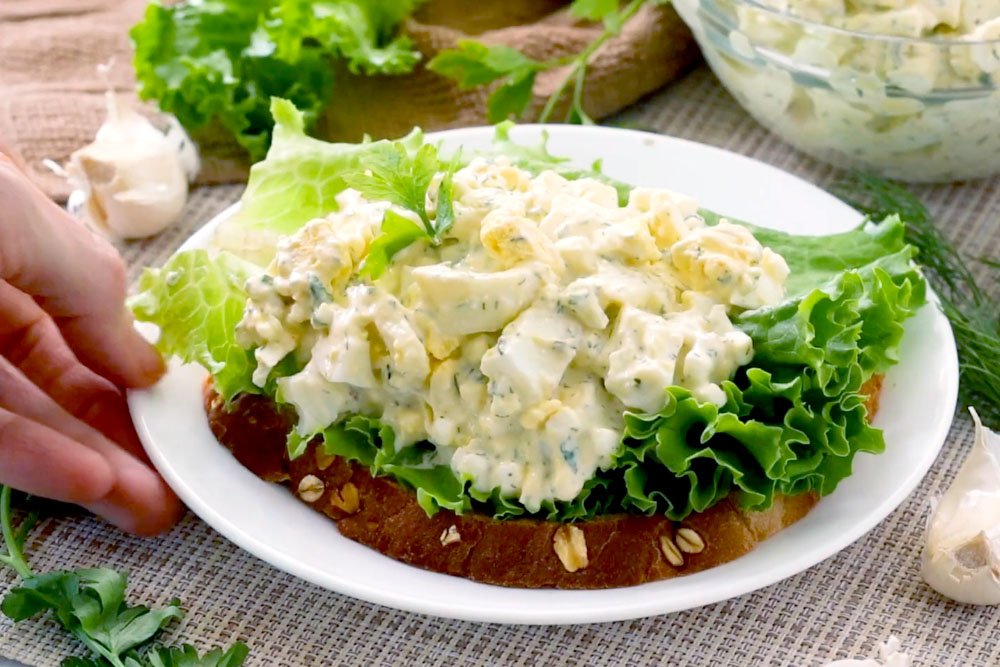
Why You Will Love This Recipe
- Instant Protein Boost: Both eggs and cottage cheese are packed with protein. This combination provides sustained energy and keeps you feeling full for hours, making it a perfect post-exercise meal or light lunch.
- Creamy & Satisfying Texture: The smooth, cool cottage cheese coats the firm, slightly yielding hard-boiled egg. It's a simple textural contrast that makes each bite interesting and deeply satisfying without any effort.
- Ready in Under 15 Minutes: Once your eggs are boiled, assembly is as simple as opening a container and peeling. You can have a wholesome meal on your plate faster than ordering takeout.
- Minimal Cleanup: This recipe requires very few dishes. You’ll need a pot for the eggs and a bowl or plate for serving. It's ideal for days when you just don't want to deal with a big mess.
- Customizable to Your Taste: While delicious on its own, this basic pairing is a fantastic canvas for your favorite seasonings. A sprinkle of salt and pepper is classic, but you can easily add chives, hot sauce, or everything bagel seasoning.
Ingredients
- 2 large eggs
- 1/2 cup cottage cheese (full fat or low fat, your preference)
- Salt, to taste
- Black pepper, freshly ground, to taste
How to Make Hard Boiled Eggs with Cottage Cheese — Step by Step
Boiling the Eggs
Start by placing your eggs in a medium saucepan. Add just enough cold water to cover the eggs by about an inch. You don’t want to overcrowd the pot; give them some space so they don’t crack.
Turn the heat to high and bring the water to a rolling boil. As soon as it reaches a full boil, immediately remove the pot from the heat. Cover the saucepan tightly with a lid. Let the eggs sit in the hot water for 10–12 minutes. This steaming method ensures evenly cooked whites and yolks that are perfectly set but not rubbery.
Cooling and Peeling
After the steeping time, carefully drain the hot water from the saucepan. Immediately fill the pot with cold water and add a handful of ice cubes if you have them. This ice bath is crucial. It stops the cooking process instantly, preventing the dreaded gray ring around the yolk. It also makes the eggs easier to peel.
Let the eggs sit in the ice bath for at least 5–10 minutes. Once cooled, gently tap an egg on a hard surface to crack the shell all over. Start peeling from the wider end, where there’s usually an air pocket. The cold temperature and the stop in cooking make the membrane under the shell release more easily.
Preparing the Cottage Cheese
While the eggs are cooling, get your cottage cheese ready. Spoon the cottage cheese into a small bowl or directly onto your serving plate. If you’re using a bowl, you can stir it gently to ensure a uniformly smooth consistency, though many people prefer it as is.
Add salt and freshly ground black pepper to the cottage cheese. Start with a small pinch of each and taste. You can always add more, but you can’t take it away. This is your chance to season the base of your dish to your liking, setting the stage for the eggs.
Assembling Your Dish
Once the eggs are peeled and the cottage cheese is seasoned, it's time to put it all together. You have a couple of options for assembly. You can slice the hard-boiled eggs in half lengthwise or quarter them. Alternatively, you can simply place the whole peeled eggs on top of the cottage cheese.
Arrange the egg pieces over the seasoned cottage cheese. The creamy white and yellow will peek through the smooth cheese. Give it one final, light sprinkle of salt and pepper right on top of the eggs for an extra touch of flavor.
What to Serve with Hard Boiled Eggs with Cottage Cheese
Freshly Sliced Avocado
Avocado adds a wonderful creamy richness that complements both the eggs and cottage cheese. Its healthy fats and mild flavor are a perfect textural and taste addition. Slice half an avocado thinly and fan it out next to the eggs and cheese for a more substantial meal.
A Side of Whole Wheat Toast
For a more complete breakfast or light lunch, serve this with a piece of toasted whole wheat bread. You can lightly butter it or even mash a bit of the avocado onto it. The toast provides a satisfying crunch and makes the dish feel more grounded.
A Sprinkle of Everything Bagel Seasoning
This popular seasoning blend adds a fantastic mix of savory flavors and textures. The sesame seeds, poppy seeds, dried garlic, and dried onion give a delightful crunch and aromatic lift that takes this simple dish up a notch. Just a light dusting is all you need.
A Splash of Hot Sauce
If you enjoy a little heat, a few dashes of your favorite hot sauce can make this dish pop. A sriracha, a Frank’s RedHot, or even a smoky chipotle sauce will add a welcome zing that cuts through the creaminess of the cottage cheese and egg yolk.
Storage and Reheating
Storing Cooked Eggs
Once hard-boiled and peeled, eggs can be stored in an airtight container in the refrigerator for up to 4–5 days. It's best to store them with a damp paper towel to help maintain moisture and prevent them from drying out.
Storing Prepared Cottage Cheese
Cottage cheese itself is best stored unopened in its original container in the refrigerator until you're ready to use it. Once opened, it should be consumed within 5–7 days. If you’ve already seasoned it and stored it with eggs, keep it in a tightly sealed container.
Reheating This Combination
This dish is best enjoyed cold or at room temperature. Reheating the cottage cheese will change its texture, making it watery and less appealing. If you must warm it slightly, do so very gently, perhaps for just 15–20 seconds in the microwave, but cold is strongly recommended.
Freezing Considerations
Hard-boiled eggs do not freeze well. Their texture becomes rubbery and watery upon thawing. Cottage cheese also changes considerably when frozen and thawed, often becoming grainy. It's not recommended to freeze this combination.
What Makes This Recipe Special
Uncomplicated Goodness
There’s an honest appeal to food that requires minimal effort but delivers maximum satisfaction. This dish is a testament to that. It's about using simple, whole ingredients to create something nourishing and tasty without any fuss.
Perfect Protein Balance
It's rare to find a combination that is so naturally balanced in terms of protein from two distinct sources. The eggs offer complete protein, while cottage cheese adds more casein protein, which digests slowly. This pairing keeps you full and satisfied longer than many other quick meals.
A Canvas for Flavor
While delicious as is, this recipe's true brilliance lies in its adaptability. It's a blank slate waiting for your personal touch. A dash of herbs, a sprinkle of spice, or a dollop of something extra turns this basic meal into something uniquely yours.
Quick Meal Prep Winner
In a world where everyone is looking for fast, healthy options, this hits the mark perfectly. It's a no-cook addition to your meal prep routine once the eggs are boiled. Having these components ready means you can assemble a nourishing meal in under a minute.
Pro Tips for the Best Results
Perfect the Ice Bath
Don’t skip the ice bath after boiling your eggs. Plunging hot eggs into ice-cold water does two vital things: it stops the cooking immediately, preventing overcooked yolks, and it causes the egg to contract slightly, creating a gap between the shell and the white, which makes peeling significantly easier.
Choose Your Cottage Cheese Wisely
The type of cottage cheese you use can impact the final taste and texture. Full-fat cottage cheese offers a richer, creamier experience, while low-fat or fat-free versions are lighter. Some people prefer the small curd for texture, while others like the larger curd or even whipped cottage cheese for ultimate smoothness.
Season Generously
Taste is subjective, but bland food is universally unappealing. Don’t be shy with the salt and pepper. Seasoning the cottage cheese before adding the eggs allows the flavors to meld. A little extra pinch on top of the eggs right before serving provides those immediate flavor bursts.
Consider the Egg Yolk
The ideal hard-boiled egg yolk for this recipe is firm but still creamy and bright yellow. If you prefer a fully cooked, drier yolk, add a minute or two to the boiling time. If you like a slightly softer, jammy yolk, reduce the steeping time to 8–9 minutes. Aim for what you enjoy most.
Variations and Substitutions
Adding Fresh Herbs
Chopped fresh chives, dill, or parsley can add a vibrant burst of freshness and color. Finely mince your chosen herb and stir it directly into the cottage cheese. This simple addition elevates the flavor profile and makes the dish look more appealing.
Incorporating Spices
Beyond salt and pepper, consider other spices. A pinch of smoked paprika adds a smoky depth, a tiny bit of garlic powder offers an umami boost, or a sprinkle of red pepper flakes can introduce a subtle heat. Start with a very small amount and adjust to your preference.
Using Greek Yogurt
If cottage cheese isn’t your favorite, plain Greek yogurt is an excellent substitute. It offers a similar creamy texture and a pleasant tang. Opt for full-fat Greek yogurt for the richest flavor and most satisfying consistency, or use a lower-fat version if preferred.
Different Egg Preparations
While hard-boiled is classic, you could experiment. Soft-boiled eggs, with their runny yolks, can create a luxurious sauce when broken over the cottage cheese. You could even add scrambled eggs for a different texture, though they won’t provide the same firm bite.
Frequently Asked Questions
Can I Use Fat-free Cottage Cheese?
Yes, you can use fat-free cottage cheese. It will result in a lighter dish, though the texture may be slightly less creamy compared to full-fat versions. The flavor will still be pleasantly tangy.
Is This Recipe Suitable for Breakfast?
Absolutely. This hard-boiled egg and cottage cheese combination is a fantastic breakfast option. It’s quick to assemble, high in protein, and will keep you feeling full until lunchtime.
Does the Cottage Cheese Need to Be Drained?
No, typically cottage cheese does not need to be drained for this recipe. The liquid it comes in contributes to the overall creamy consistency. If yours seems particularly watery, you can drain off a little excess liquid.
Can I Add Anything Else to the Cottage Cheese?
You can add many things! Fresh herbs like chives or dill, a pinch of spices like paprika or garlic powder, or even a drizzle of olive oil are great additions that will enhance the flavor.
Do I Need to Peel the Eggs Before Adding Them?
Yes, you must peel the hard-boiled eggs before adding them to the cottage cheese. The shells are not edible and would make the dish unpleasant to eat.
Is This Recipe Good for Meal Prep?
Yes, this is an excellent recipe for meal prep. You can hard-boil the eggs ahead of time and store them in the refrigerator. Then, simply portion out cottage cheese and add the eggs when you’re ready to eat.
Can I Cook the Eggs in an Instant Pot?
Yes, you can cook hard-boiled eggs in an Instant Pot. A common method is the 5-5-5 rule: 5 minutes on high pressure, 5 minutes natural release, and 5 minutes in an ice bath. This often results in very easy-to-peel eggs.
Final Thoughts
This simple pairing of hard-boiled eggs and cottage cheese is proof that delicious, satisfying meals don’t need to be complicated. It's a healthy, protein-rich option that's perfect for busy days. Give it a try—your taste buds will thank you.