
The frustration of trying to peel a hard-boiled egg is real. You carefully boil them, only to end up with ragged shells clinging stubbornly to the white, tearing bits away with them. It’s a small kitchen battle that no one enjoys.
This method is a game-changer. Adding just a little bit of baking soda to your boiling water makes all the difference. It actually changes the pH of the water, making the egg white less likely to stick to the membrane inside the shell.
You’ll get perfectly cooked, easy-to-peel hard-boiled eggs every single time. This simple trick means no more wasted eggs and no more peeling frustration.
Why You Will Love This Recipe
- Effortless Peeling: This is the main event. The baking soda creates a magic trick, letting the shell slide off in big pieces, no more chipping away for minutes.
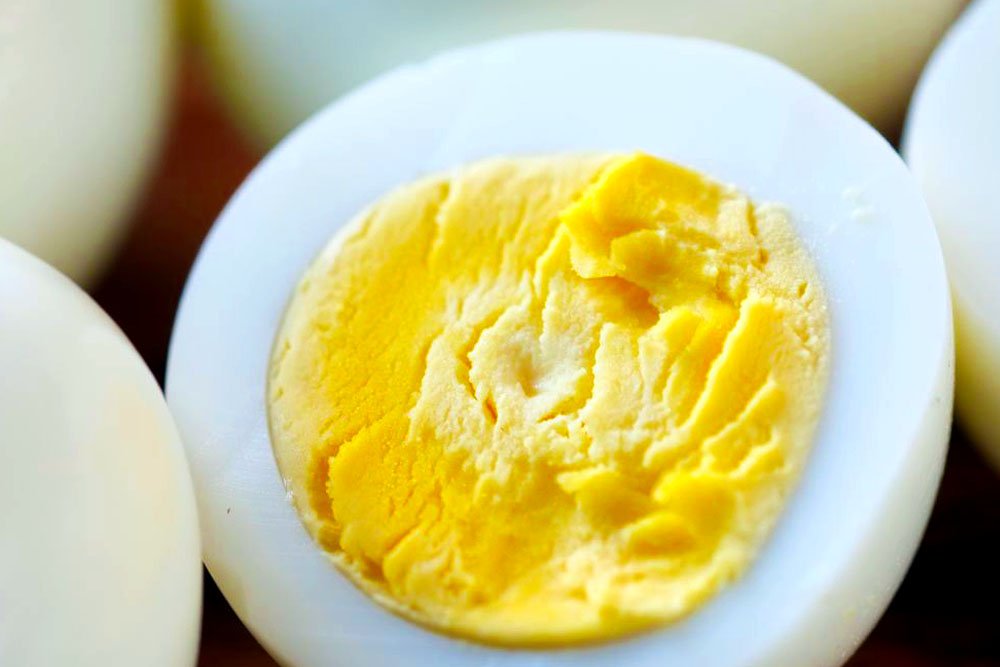
- No Green Yolks: You get beautiful, bright yellow yolks every single time. The water temperature and timing are just right to prevent that unappealing gray-green ring around the yolk.
- Perfectly Cooked Eggs: Whether you like your yolks just set or fully firm, this method delivers consistent results. The eggs are cooked through without being rubbery.
- Simple Stovetop Method: No fancy equipment needed. You just need a pot, water, eggs, and a little bit of baking soda. It's accessible for any home cook.
- Versatile Base: These eggs are a blank canvas. You can use them for deviled eggs, egg salad, or just enjoy them with a sprinkle of salt and pepper.
Ingredients
- 6 large eggs
- 1 teaspoon baking soda
- Cold water, enough to cover eggs by 1 inch
- Ice, for ice bath
✅ Also Read: Fluffy Greek Yogurt Omelette Ready in Minutes
How to Make Easy Peel Hard Boiled Eggs with Baking Soda — Step by Step
Getting the Eggs Ready
Start with your eggs. It’s best to use eggs that are a few days old, not super fresh. Fresh eggs tend to stick more. You want your eggs at room temperature if possible. If they’re straight from the fridge, they might crack when they hit the hot water, though we’re avoiding that with this method. Make sure your pot is large enough so the eggs aren’t crowded.
Boiling the Eggs with Baking Soda
Place the eggs gently into your pot. Add the baking soda right into the pot with the eggs. Pour in enough cold water to cover the eggs by about one inch. The baking soda will likely fizz slightly when it hits the water, which is totally normal. It's this little addition that makes the shell release so easily later on.
Cooking the Eggs to Perfection
Turn the heat to high and bring the water to a rolling boil. Once it’s boiling vigorously, immediately turn off the heat. Cover the pot tightly with a lid. Let the eggs sit in the hot water without any heat. For hard-boiled eggs, let them sit for 10–12 minutes. This steaming method cooks them gently and evenly.
Cooling and Peeling the Eggs
While the eggs are steaming, prepare an ice bath. Fill a bowl with cold water and plenty of ice. Once the 10–12 minutes are up, carefully scoop the eggs out of the hot water and plunge them directly into the ice bath. Let them cool completely for at least 10–15 minutes. This rapid cooling stops the cooking and further helps loosen the shell. To peel, gently tap an egg on a hard surface to crackle the shell all over. Start peeling from the wider end, where the air pocket usually is. The shell should slide right off.
What to Serve with Easy Peel Hard Boiled Eggs with Baking Soda
Classic Deviled Eggs
This is probably the most popular use for hard-boiled eggs. Mash the yolks with mayonnaise, mustard, and a pinch of salt and pepper. You can get creative with seasonings like paprika, chives, or a dash of hot sauce. The easy-to-peel eggs make the prep for deviled eggs a breeze.
Simple Egg Salad
Chop the peeled eggs and mix them with your favorite creamy dressing – typically mayonnaise, mustard, and a little relish. Season with salt, pepper, and perhaps some dill or celery. Serve it on toast, in a sandwich, or even scooped onto lettuce leaves for a lighter lunch.
As a Salad Topper
A sliced hard-boiled egg adds protein and richness to any salad. It's a fantastic addition to Cobb salads, chef salads, or even a simple green salad. The perfectly cooked yolk adds a creamy texture that elevates the whole dish.
With Avocado Toast
Place a sliced or halved hard-boiled egg on top of your avocado toast. A sprinkle of everything bagel seasoning or red pepper flakes ties it all together. It turns a simple breakfast or snack into a more substantial and satisfying meal.
Storage and Reheating
Storing Peeled Eggs
Once peeled, store your hard-boiled eggs in an airtight container in the refrigerator. They will last for up to 5 days. It's best to keep them whole if you can, as they tend to dry out faster once cut.
Storing Unpeeled Eggs
If you don’t peel them right away, unpeeled hard-boiled eggs also last up to 5 days in the fridge. Keeping the shell on protects the egg white from drying out and absorbing other odors in your refrigerator.
Reheating Hard-boiled Eggs
Hard-boiled eggs are typically eaten cold or at room temperature. They don’t really need reheating. If you must warm them slightly, you can place them in warm water for a few minutes or gently heat them in a covered dish in a low oven (around 250°F / 120°C) for about 10 minutes. Be careful not to overcook them, or they can become rubbery.
Freezing Hard-boiled Eggs
It’s generally not recommended to freeze hard-boiled eggs. The whites become tough and watery when thawed. While you can freeze the yolks for some uses, the texture of the whole egg is compromised by freezing.
What Makes This Recipe Special
The Baking Soda Science
The inclusion of baking soda is what makes this recipe stand out. It’s not just a random ingredient; it actively alters the water’s pH. This alkaline environment prevents the proteins in the egg white from bonding too tightly to the inner shell membrane.
The Steaming Method
Instead of boiling the eggs continuously, this recipe uses a steaming method after the initial boil. This gentle, consistent heat cooks the egg evenly from the outside in. It prevents the whites from getting tough and the yolks from getting that dreaded green ring.
Consistent Results
Many hard-boiled egg methods can be hit or miss. This technique, however, offers remarkable consistency. You get reliably easy-to-peel eggs with perfectly cooked yolks, making it a foolproof method for beginners and experienced cooks alike.
Kitchen Simplicity
There are no complicated steps or special tools required. It's a simple, effective technique using everyday ingredients and standard kitchen equipment. This approach makes perfect hard-boiled eggs accessible to everyone, regardless of their cooking experience.
✅ See Also: Golden Spanish Potato and Onion Omelette
Pro Tips for the Best Results
Choose Older Eggs
Fresh eggs have a lower pH, making their whites stick more to the shell. For the easiest peeling, use eggs that are at least a week old. You can often find date-labeled eggs at the grocery store, or simply use the eggs you have in your fridge that aren’t brand new.
Don’t Overcrowd the Pot
Make sure your pot is large enough to hold all the eggs in a single layer without touching each other. If the eggs are piled up or too close together, they won’t cook evenly, and some might be harder to peel than others due to uneven heat distribution.
The Ice Bath is Crucial
Don’t skip the ice bath after cooking! The sudden drop in temperature causes the egg white to contract slightly away from the shell membrane. This, combined with the baking soda, makes peeling significantly easier. It also stops the cooking process, preventing overdone yolks.
Crackling Technique
To peel, gently tap the wider end of the egg first, then tap the middle and narrower end. Roll the egg between your hands to create a network of fine cracks all over the shell. This makes it easier to find a starting point and remove the shell in large pieces without tearing the egg white.
Variations and Substitutions
Different Seasonings for Yolks
When making deviled eggs, get creative with the yolk mixture. Instead of just mayo and mustard, try adding a spoonful of Greek yogurt for tang, a dash of sriracha for heat, or finely chopped pickles for crunch. The base eggs are so easy to make, you can focus on exciting flavor combinations.
Adding Spices to Water
While baking soda is key for peeling, you can add other things to the boiling water for subtle flavor. A pinch of salt or a few peppercorns won’t affect the peeling, but can impart a faint seasoning into the egg itself. However, the baking soda is the critical ingredient for ease of peeling.
Making Pickled Eggs
Once peeled, hard-boiled eggs are perfect for pickling. Create a brine with vinegar, water, sugar, salt, and spices like mustard seeds, peppercorns, and bay leaves. Submerge the peeled eggs in the cooled brine. They will absorb the flavors over a few days, making a tasty snack.
Using Different Salts
If you’re making egg salad or deviled eggs, the type of salt can make a difference. Flaky sea salt offers a pleasant crunch and clean flavor. Kosher salt is great for general seasoning. Experiment with finishing salts for a gourmet touch on your finished dishes.
Frequently Asked Questions
Can I Use This with Duck Eggs?
Yes, you can use duck eggs. They are larger and have a richer yolk, so you might need to adjust the cooking time slightly. Keep the baking soda and ice bath steps the same, and start by steaming them for about 15 minutes for a hard-cooked yolk.
Is This Recipe Suitable for Brown Eggs?
Absolutely. The color of the eggshell (brown or white) has no impact on the cooking process or how easily they peel. This method works equally well for both brown and white eggs.
Are Fresh Eggs Harder to Peel with This Method?
While older eggs peel best, this method significantly improves peeling even with fresh eggs. The baking soda and ice bath combination helps loosen the membrane even for very fresh eggs, though you might still find one or two slightly trickier than with older eggs.
Do I Need to Measure the Baking Soda Precisely?
You don’t need to be overly precise, but using about a teaspoon for a standard pot of water is a good starting point. Too little might not have a significant effect, while too much can slightly alter the egg flavor, so a teaspoon is generally the sweet spot.
Can I Cook Multiple Batches at Once?
Yes, you can. Just ensure your pot is large enough to accommodate more eggs in a single layer. You might need to increase the water volume slightly and ensure it still covers the eggs by about an inch. Prepare a larger ice bath to accommodate all the cooked eggs.
Does the Baking Soda Affect the Taste?
When used in the recommended amount, the baking soda should not noticeably affect the taste of the eggs. Its primary role is to adjust the water’s pH for easier peeling. Any subtle flavor change is usually masked by the egg’s natural taste.
What If I Don’t Have an Ice Bath?
If you don’t have an ice bath, immediately rinse the eggs under very cold running water for several minutes until they are cool to the touch. This helps stop the cooking process and aids in loosening the shell, though a proper ice bath is more effective.
Final Thoughts
Mastering the hard-boiled egg is a simple kitchen win. This easy peel method with baking soda takes all the guesswork and frustration out of it. You'll be serving perfect eggs for all your favorite dishes in no time.
RECIPE DATA BLOCK
Easy Peel Hard Boiled Eggs with Baking Soda
Ingredients
- 6 large eggs
- 1 teaspoon baking soda
- Cold water
- Ice
Tools You Need
- Medium saucepan
- Lid
- Slotted spoon
- Bowl
Steps
- Place eggs and baking soda in a saucepan.
- Cover eggs with cold water by 1 inch.
- Bring water to a rolling boil over high heat.
- Turn off heat, cover, and let steam for 10–12 minutes.
- Prepare an ice bath while eggs steam.
- Transfer eggs to the ice bath to cool completely.
- Gently tap and peel eggs.