
There is something truly comforting about simple ingredients coming together to create a dish that feels like a warm hug. That is the magic of a Spanish potato and onion omelette. It is a staple in homes across Spain, a humble yet hearty dish that fills your kitchen with the smell of olive oil and slowly cooked vegetables.
This dish relies on gentle frying to soften the potatoes and onions, letting them soak up all that rich olive oil flavor before they meet the eggs. You get a thick, satisfying slice with creamy potato inside and a beautiful golden crust outside. It is rustic, it is delicious, and it is easier than you think.
Why You Will Love This Recipe
- Humble Ingredients Shine: You only need a few basic things to make this. Potatoes, onions, eggs, and olive oil – that is it. But the way they come together creates incredible depth of flavor. You do not need fancy ingredients for this kind of comfort.
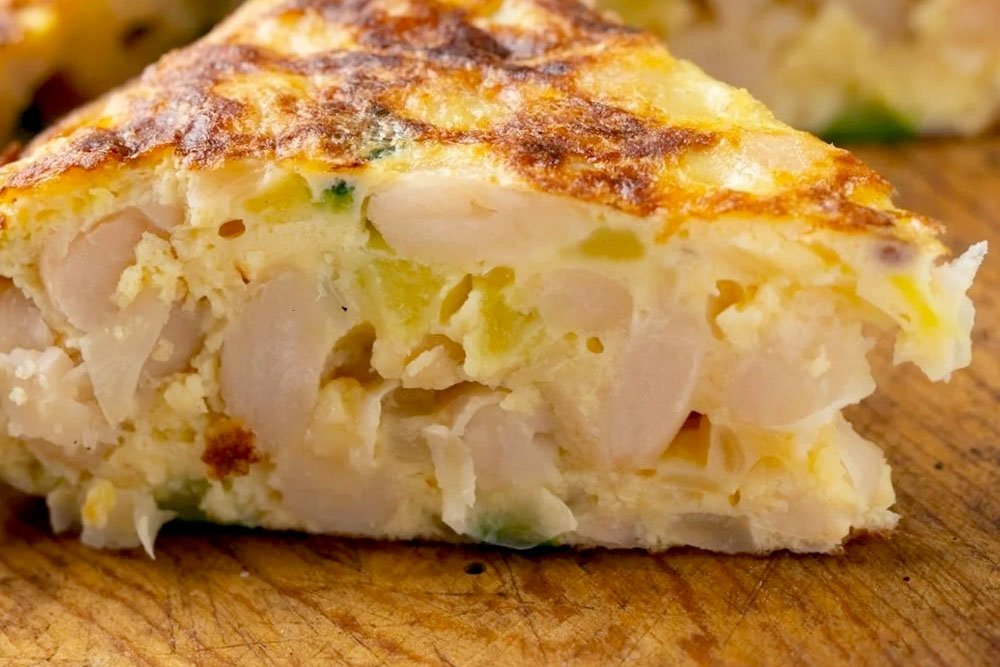
- Incredible Texture: This is not your average fluffy omelette. The potatoes and onions become tender and almost melt into the egg, while the outside gets a lovely golden crust. Each bite is satisfying, with a soft, yielding interior that makes you want more.
- Surprisingly Filling: Thanks to the potatoes and eggs, a slice of this omelette is substantial. It is perfect for breakfast, a hearty lunch, or even a light dinner. You will feel full and happy without feeling heavy, making it great for any time of day.
- A Versatile Dish: Serve it warm from the pan, or let it cool to room temperature. It works beautifully either way. This makes it ideal for meal prep, picnics, or a tapa spread where guests can grab a slice whenever they like. It holds up well and tastes just as good later.
- Impressive Appearance: A tall, golden Spanish omelette always looks impressive when you slice into it. It has that rustic, homemade charm that feels special. Your guests will think you worked for hours, but it is really just simple technique.
- Make-Ahead Magic: This omelette tastes fantastic leftover. Sometimes, the flavors even get better the next day as they meld together. You can cook a large one and enjoy slices for a few days, saving you time later in the week.
Ingredients
- Large Russet Potatoes (2, about 1.5 lbs): Russet potatoes have a good starch content that breaks down nicely, making the interior of the omelette wonderfully creamy. You want them peeled and sliced thinly and evenly – about 1/8 inch thick is perfect for absorbing the olive oil and cooking consistently.
- Yellow Onion (1 large): A large yellow onion adds a natural sweetness that balances the savory potatoes. When cooked slowly, the onions become soft and almost caramelized, creating an essential layer of flavor. Slice it thinly, just like the potatoes, so it cooks at the same rate.
- Large Eggs (6): These are the binder, the glue that holds everything together. Use fresh, large eggs for the best structure and rich yellow color. Six eggs give you a good potato-to-egg ratio for a thick, traditional omelette.
- Good Quality Olive Oil (1/2 cup, plus more for cooking): Olive oil is not just for frying here; it is a key flavor component. You will use a generous amount to gently confit the potatoes and onions, infusing them with its fruity, peppery notes. Pick a good extra virgin olive oil if you can.
- Fine Sea Salt (1 teaspoon, plus more to taste): Salt is crucial for seasoning the potatoes and eggs at every stage. It enhances all the other flavors and makes the final dish sing. Taste as you go, especially when you mix the eggs.
- Freshly Ground Black Pepper (1/2 teaspoon, or to taste): A touch of black pepper adds a subtle warmth and depth. It complements the savory potatoes and sweet onions without overpowering them. Grind it fresh for the best aroma and flavor.
✅ Also Read: Quick Denver Omelette Egg Muffins
Steps to Make Spanish Potato and Onion Omelette: Step-by-step Easy Guide
Prepare Vegetables Evenly
First, peel your potatoes and the onion. Slice them very thinly. Aim for slices about 1/8-inch thick. You want them to be as uniform as possible. This ensures they cook evenly and become perfectly tender at the same time. If some are thick and some are thin, you will end up with crunchy bits and mushy bits.
Gently Cook the Potatoes and Onions
Pour about 1/2 cup of olive oil into a 9-inch non-stick skillet. Heat it over medium-low heat. Add the sliced potatoes and onions to the pan. Sprinkle with 1/2 teaspoon of salt. The oil should cover them mostly, but not fully. You are not trying to deep fry them until they are crispy; you want them to slowly soften and confit in the oil. This process takes about 20-25 minutes. Stir occasionally to ensure even cooking and prevent sticking. The potatoes should become very tender, almost breaking apart easily, and the onions should turn translucent and sweet. Do not let them brown too much.
Drain Oil and Whisk Eggs
Once the potatoes and onions are soft, carefully drain them from the oil. You can use a slotted spoon or a colander placed over a heat-safe bowl to catch the oil. Reserve this flavored oil for other cooking tasks later, like frying eggs or vegetables. Let the potatoes and onions cool slightly in the colander for a few minutes. While they cool, crack the 6 large eggs into a large mixing bowl. Add the remaining 1/2 teaspoon of salt and the black pepper. Whisk the eggs vigorously until they are well combined and slightly frothy, about 1-2 minutes. This incorporates air and makes for a lighter omelette.
Combine and Cook the Base
Add the slightly cooled potatoes and onions to the whisked eggs. Stir everything together gently but thoroughly, making sure all the vegetables are coated in the egg mixture. Let this mixture sit for 5-10 minutes. This resting time is important; it allows the potatoes to soak up some of the egg, which helps the omelette bind together and creates a wonderfully moist interior. Heat your clean 9-inch non-stick skillet over medium-low heat with just a tablespoon of fresh olive oil.
Build the Omelette and Start the Flip
Pour the potato-egg mixture into the hot skillet. Spread it out evenly. Let it cook undisturbed for about 5-7 minutes. You want the bottom to turn golden brown and the edges to start setting. The top will still look liquid and runny. This is where the magic happens. Place a plate, larger than your skillet, upside down over the pan. With a confident, quick motion, flip the pan and the plate together so the omelette lands cooked-side-up on the plate.
Finish Cooking
Slide the omelette carefully back into the pan, uncooked-side down. Use a spatula to gently shape the sides, tucking them in to create a nice, rounded edge. Cook for another 5-7 minutes, or until the omelette is golden brown on the bottom and fully set through the center. You can check by gently pressing the center – it should feel firm but still have a slight give. If it jiggles too much, cook it for a few more minutes. Remove the pan from heat and let the omelette rest in the pan for 5 minutes before sliding it onto a cutting board. This rest helps the eggs fully set and makes it easier to slice.
What to Serve with Spanish Potato and Onion Omelette
A Simple Green Salad
A fresh green salad makes a perfect light counterpoint to the rich, hearty omelette. Think mixed greens with a bright vinaigrette made from good olive oil and red wine vinegar. The acidity of the dressing cuts through the richness of the eggs and potatoes.
Crusty Bread on the Side
A good, crusty loaf of bread is always welcome. Slice it thick and have it ready for soaking up any leftover olive oil or just as a hearty accompaniment. It makes the meal feel more substantial and traditional.
Roasted Red Peppers
Sweet roasted red peppers, either homemade or from a jar, add a vibrant color and smoky-sweet flavor. They complement the sweetness of the cooked onions beautifully. You can serve them simply, drizzled with olive oil and a sprinkle of salt.
Olives and Cured Meats
For a true Spanish tapa experience, offer a small bowl of mixed olives and a platter of thinly sliced cured meats like Jamón Serrano or chorizo. These salty, savory additions pair wonderfully with the omelette and make for a more complete meal.
✅ See Also: Denver Omelette Hashbrown Casserole for Any Meal
Storage and Reheating
Cool Completely Before Storing
Before you store any leftover Spanish potato and onion omelette, make sure it cools down completely to room temperature. Storing it warm will create condensation inside the container, making the omelette soggy. Patience here helps maintain texture.
Use an Airtight Container
Transfer the cooled omelette to an airtight container. This protects it from absorbing other fridge odors and keeps it fresh longer. You can stack slices with parchment paper in between if you need to save space.
Enjoy at Room Temperature
Many people find Spanish omelette tastes best at room temperature, or even slightly chilled. The flavors have time to meld, and the texture stays firm but yielding. This is often how it is served as a tapa in Spain.
Gentle Reheating is Key
If you prefer it warm, reheat individual slices gently. A microwave on a low setting for 30-60 seconds works, or in a non-stick pan over low heat until just warmed through. Avoid high heat, as it can dry out the eggs and make them rubbery. It will stay good in the fridge for up to 3 days.
What Makes This Recipe Special
Simple Ingredients, Profound Flavor
The true magic of this Spanish potato and onion omelette lies in its simplicity. You use everyday ingredients that, when cooked with care, transform into something incredibly flavorful. The long, slow cooking of the potatoes and onions in olive oil extracts their best qualities, making them sweet and tender.
The Signature Confit Technique
This is not just frying. The potatoes and onions are slowly “confit” in a generous amount of olive oil. This gentle cooking method allows them to soften completely and absorb all the richness of the oil without browning too much. This deep infusion of flavor is what sets it apart from a regular fried potato dish.
Unique Texture Contrast
A perfectly made Spanish omelette has a distinctive texture. The exterior is golden and slightly firm, providing a satisfying bite. But the interior remains soft, creamy, and moist, with the tender potato and onion pieces suspended in the rich egg. This contrast makes every forkful exciting.
Versatile for Any Time of Day
Unlike many omelettes that are strictly breakfast foods, this one transcends meal times. It is equally at home on a breakfast table, a lunch plate, or as part of a tapas spread for dinner. It tastes delicious whether warm or at room temperature, making it incredibly flexible for entertaining or meal planning.
✅ See Also: Greek Omelette Casserole for Easy Weekends
Pro Tips for the Best Results
Slice Vegetables Very Thinly
The key to a uniformly tender omelette starts with how you slice your potatoes and onions. Aim for thin, even slices, around 1/8-inch thick. This ensures they all cook at the same rate and become soft enough to melt into the egg mixture. Use a mandoline if you have one; it makes this step much easier and more consistent.
Don’t Rush the Confit
The slow cooking of the potatoes and onions in olive oil is crucial. Keep the heat medium-low. You want them to gently soften and become almost translucent, not crispy or deeply browned. This process can take 20-25 minutes. Patience here allows the potatoes to absorb flavor and develop that signature creamy texture. If you rush it, your potatoes might be undercooked or too firm.
Rest the Egg and Potato Mixture
After you combine the cooked potatoes and onions with the whisked eggs, let the mixture sit for 5-10 minutes. This brief rest allows the warm potatoes to soak up some of the egg, which helps the omelette bind together better and prevents it from falling apart when you slice it. It also makes for a moister, more cohesive result.
Use a Good Non-stick Pan for the Flip
A high-quality 9-inch non-stick skillet is essential for this recipe, especially for the all-important flip. The non-stick surface ensures the omelette releases cleanly when you cook the first side and when you flip it back into the pan. Make sure your pan is well seasoned or truly non-stick to avoid disaster.
Embrace the Confident Flip
The flip is often the part that worries people, but it is easier than it looks if you are confident. Use a plate that is larger than your pan. Place it firmly over the pan, and with one swift, decisive motion, flip the pan over. Do not hesitate or go slowly. A quick, firm flip is less likely to cause a mess. You can practice with just the cooked potatoes and no egg if you are nervous.
Variations and Substitutions
Add a Touch of Chorizo
For a smoky, savory twist, try adding some finely diced cooked chorizo to the potato and onion mixture before you add the eggs. Brown the chorizo lightly in the pan before adding the vegetables, or cook it separately and stir it in. The paprika and fat from the chorizo will infuse the entire omelette with incredible flavor.
Include Roasted Bell Peppers
To add more color and a touch of sweetness, stir in some roasted red or yellow bell peppers. You can roast them yourself until soft and slightly charred, or use good quality jarred roasted peppers. Dice them and add them to the potato and onion mixture before combining with the eggs. They bring a bright, fresh element.
Try Different Herbs
Fresh herbs can add a lovely lift to the dish. Instead of just salt and pepper, stir in a tablespoon of finely chopped fresh parsley or chives with the eggs. Parsley adds a fresh, green note, while chives offer a mild oniony flavor. Both complement the rich potatoes and eggs beautifully.
Explore Hard Cheeses
While not traditional, a sprinkle of grated hard cheese can be a tasty addition. Instead of strictly Spanish, try adding about 1/4 cup of grated Manchego or even Parmesan to the egg mixture. It will melt into the omelette, adding a salty, umami depth.
Frequently Asked Questions
Can I Use Different Types of Potatoes?
Yes, you can use other potatoes. Yukon Gold or Red Bliss also work well. They will give you a slightly different texture than Russets, perhaps a little firmer. Avoid very waxy potatoes as they do not break down enough to create that creamy interior.
Is It Okay If My Omelette Breaks During the Flip?
Yes, sometimes it happens, especially when you are new to the technique. Do not worry. Just use your spatula to push the pieces back together once it is in the pan. It will still taste amazing, and you can hide any imperfections when you slice it.
Are There Ways to Make This Dish Heartier?
You can make it heartier by adding cooked meats like diced ham, bacon, or chorizo to the potato and onion mixture. Also, including more vegetables like cooked spinach or mushrooms adds bulk and nutrients, making it a more substantial meal.
Do I Have to Use a Non-stick Pan?
A non-stick pan is highly recommended, especially for the flipping step. It helps ensure the omelette releases cleanly from the pan and makes the whole process much easier. If you do not have one, a well-seasoned cast iron skillet can work, but grease it very well.
Does This Recipe Work with Fewer Eggs?
This recipe uses a good ratio of eggs to potatoes for a thick, traditional omelette. Using fewer eggs might result in a drier, more potato-heavy dish that struggles to hold its shape. If you want a smaller omelette, scale down all ingredients proportionally, including the potatoes and onions.
Can I Add Cheese to My Spanish Omelette?
While not a traditional ingredient in a classic Spanish omelette, you certainly can add cheese if you like. Stir about 1/2 cup of grated Manchego, cheddar, or gruyere cheese into the egg and potato mixture before cooking. It will add a lovely savory, melty element.
Is It Supposed to Be Served Warm or Cold?
This Spanish potato and onion omelette is delicious both warm and at room temperature. Many people prefer it cooled down a bit, as the flavors meld and the texture becomes firmer, making it perfect for slicing and serving as a tapa or for picnics.
Final Thoughts
Making a Spanish potato and onion omelette is a wonderfully rewarding cooking experience. You take simple ingredients and, with a bit of care, create something truly comforting and special. It is a dish that proves good food does not have to be complicated. Give it a try; you will love the creamy potatoes, sweet onions, and golden eggs, and your kitchen will smell incredible.

Golden Spanish Potato and Onion Omelette My Friends Rave About
Ingredients
- 2 large Russet potatoes (about 1.5 lbs), peeled and thinly sliced
- 1 large yellow onion, thinly sliced
- 6 large eggs
- 1/2 cup good quality olive oil, plus 1 tbsp for cooking
- 1 teaspoon fine sea salt, plus more to taste
- 1/2 teaspoon freshly ground black pepper, or to taste
Tools You Need
- 9-inch non-stick skillet
- Large mixing bowl
- Slotted spoon or colander
- Large plate (larger than skillet)
- Spatula
- Whisk
Steps
- Peel and thinly slice potatoes and onion to about 1/8-inch thickness.
- Heat 1/2 cup olive oil in a 9-inch non-stick skillet over medium-low heat.
- Add sliced potatoes and onions to the pan, sprinkle with 1/2 teaspoon salt.
- Gently cook, stirring occasionally, for 20-25 minutes until vegetables are very tender.
- Drain cooked potatoes and onions from the oil using a slotted spoon or colander, reserving oil.
- Crack 6 large eggs into a large bowl, add remaining 1/2 teaspoon salt and black pepper.
- Whisk eggs vigorously for 1-2 minutes until well combined.
- Add cooled potatoes and onions to whisked eggs, stir gently to coat.
- Let mixture rest for 5-10 minutes for potatoes to absorb egg.
- Heat 1 tablespoon fresh olive oil in the clean 9-inch non-stick skillet over medium-low heat.
- Pour egg-potato mixture into the hot skillet, spreading evenly.
- Cook undisturbed for 5-7 minutes until bottom is golden and edges set.
- Place a large plate upside down over the pan, then confidently flip the pan and plate together.
- Slide the omelette carefully back into the pan, uncooked-side down.
- Cook for another 5-7 minutes until golden on the bottom and fully set through.
- Remove from heat and let rest in the pan for 5 minutes before sliding onto a cutting board.
- Slice into wedges and serve warm or at room temperature.