
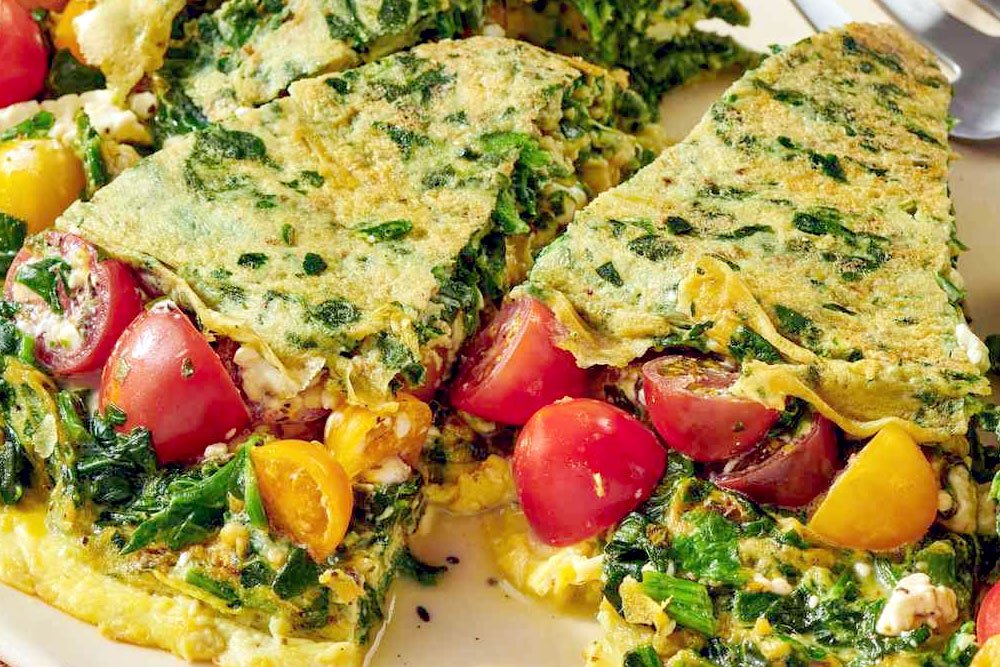
Make a fresh Greek salad omelette in minutes. Packed with feta, olives, and tomatoes, it’s a vibrant, protein-rich meal for any time.
Some mornings call for something beyond plain scrambled eggs. You want something bright, something savory, a meal that feels special without taking up your whole morning. This Greek salad omelette hits all those marks. It brings together classic Mediterranean tastes in a comforting, quick package.
Salty feta, juicy tomatoes, and briny olives fold into fluffy eggs. The fresh crunch of cucumber and a hint of onion wake up your taste buds. This omelette is a quick way to bring a little sunshine to your plate.
Why You Will Love This Recipe
- Bold, Fresh Flavors: This omelette tastes like a mini vacation. You get the salty pop of feta, the briny punch of Kalamata olives, and the sweet tang of fresh tomatoes. A sprinkle of oregano pulls all those classic Greek notes together, making every bite exciting.
- Ready in Minutes: From the moment you crack the eggs, you can have this meal on your plate in less than 15 minutes. It cooks quickly on the stovetop. This makes it perfect for busy weekdays or a spontaneous weekend brunch. No long waits, just delicious food fast.
- Packed with Protein: Eggs are a fantastic source of protein, and the feta adds even more. This combination keeps you full and energized for hours. It helps you avoid that mid-morning slump, making it a smart start to your day.
- Naturally Light and Healthy: You get plenty of fresh vegetables here, making this a lighter option than many traditional breakfast dishes. It avoids heavy sauces or excessive fats. It feels good to eat, and it is good for you, too.
- Easy to Customize: You can easily adjust the fillings based on what you have in your fridge. Add bell peppers, spinach, or even some leftover grilled chicken. This flexibility means you can make it a little different every time, always keeping it fresh and interesting.
Ingredients
- Large Eggs (3): The foundation of your omelette. Three large eggs give you a substantial, fluffy base that holds all the fillings well. Fresh, good-quality eggs really make a difference in flavor and texture here.
- Olive Oil (1 teaspoon): You will use this to lightly grease your pan. It helps the omelette cook evenly and prevents sticking. Choose a good extra virgin olive oil for a subtle, fruity flavor that complements the Greek ingredients.
- Feta Cheese (1/4 cup, crumbled): This brings the signature salty, tangy taste to the dish. Feta softens beautifully inside the warm omelette. Look for block feta packed in brine and crumble it yourself for the best texture and flavor, not the pre-crumbled kind.
- Cherry Tomatoes (1/4 cup, halved or quartered): They add bursts of sweet, juicy freshness and a lovely pop of color. Halving them makes them easier to incorporate and ensures they cook just slightly. Any small tomato works well here.
- Kalamata Olives (2 tablespoons, sliced): These bring a deep, briny, slightly fruity flavor that is essential for a Greek profile. Make sure they are pitted before you slice them. If you can only find whole ones, pit them carefully with the flat side of a knife.
- Red Onion (1 tablespoon, finely diced): A small amount of finely diced red onion adds a sharp, fresh bite without being overwhelming. It softens slightly from the heat. Make sure your dice is small enough so you don’t get big chunks.
- Cucumber (1 tablespoon, finely diced): This is a secret weapon for freshness. It adds a cool, crisp counterpoint to the richer ingredients. Dice it very small so it blends seamlessly into the omelette. You want just a hint of it.
- Dried Oregano (1/4 teaspoon): This herb is the backbone of Greek flavor. It adds an earthy, aromatic warmth. Rub it between your palms before adding to release its oils and maximize flavor.
- Salt and Freshly Ground Black Pepper (to taste): Essential for seasoning the eggs. Start with a small pinch of salt and a few grinds of pepper, then adjust after tasting your cooked omelette.
✅ Also Read: Denver Omelette Egg Bites for Busy Mornings
Steps to Make Greek Salad Omelette: Step-by-step Easy Guide
Prepare All Your Fillings First
Start by getting everything ready. This makes cooking much smoother. Finely dice your red onion and cucumber. Halve or quarter the cherry tomatoes. Slice your Kalamata olives. Crumble the feta cheese. You want all your Greek salad components sitting in a small bowl, ready to go into the pan. This organized approach means you can focus on the eggs when it is time.
Whisk the Eggs Gently
Crack three large eggs into a medium bowl. Add a pinch of salt and a few grinds of fresh black pepper. Now, whisk them with a fork until the yolks and whites are just combined. You do not want to over-whisk; a few gentle swirls are enough. Over-whisking can make omelettes tough, and you are aiming for light, fluffy eggs. A little air incorporated is good, but too much is not.
Heat Your Pan Just Right
Place an 8-inch non-stick skillet over medium-low heat. Add one teaspoon of olive oil and swirl it around to coat the bottom and sides evenly. Let the pan heat for about 1-2 minutes until the oil shimmers slightly. You want the pan warm enough to start cooking the eggs immediately, but not so hot that it burns them. The temperature is key for a tender omelette.
Pour and Cook the Eggs
Pour the whisked eggs into the hot skillet. Let them sit undisturbed for about 30 seconds to set the bottom. The edges will start to firm up and turn slightly opaque. Then, gently push the cooked edges towards the center of the pan with a spatula. Tilt the pan to let the uncooked egg flow underneath. Repeat this motion until most of the liquid egg has set, about 2-3 minutes. The top should still be slightly moist and glossy.
Add the Greek Salad Fillings
Once the eggs are mostly set but still slightly wet on top, sprinkle your prepared Greek salad fillings over one half of the omelette. Distribute the feta, tomatoes, olives, red onion, and cucumber evenly. Then, lightly sprinkle the dried oregano over the top of the fillings. This timing ensures the fillings warm through without overcooking and stay juicy.
Fold and Serve Immediately
Cook for another 30 seconds, letting the fillings warm up. Then, gently slide your spatula under the unfilled half of the omelette. Carefully fold it over the filled half, creating a crescent shape. Cook for another 15-30 seconds, just until the omelette is heated through and the cheese is slightly melty. Slide the omelette onto a plate and serve it right away. It tastes best fresh and warm.
What to Serve with Greek Salad Omelette
A Simple Side Salad
A small green salad on the side makes this omelette a full meal. Think mixed greens with a light vinaigrette. The freshness cuts through the richness of the eggs and feta, adding more satisfying crunch. It keeps the whole plate feeling light and bright.
Warm Pita Bread
Warm pita bread is perfect for scooping up any stray bits of feta or tomato. You can toast it lightly in a pan or pop it in the microwave for a few seconds. Its soft, chewy texture pairs wonderfully with the omelette’s ingredients. A small piece goes a long way.
Tangy Greek Yogurt
A dollop of plain Greek yogurt alongside your omelette adds a creamy, tangy element. It's a classic pairing in Mediterranean cuisine. You can even stir in a tiny bit of fresh dill or a squeeze of lemon juice for an extra pop of flavor. This also adds more protein.
Fresh Fruit or Juice
For a complete breakfast, add a side of fresh fruit. Sliced oranges, grapes, or a handful of berries work well. A glass of freshly squeezed orange juice or a sparkling lemon drink also complements the flavors. It adds natural sweetness and a refreshing finish.
✅ See Also: Quick Denver Omelette Egg Muffins
Storage and Reheating
Enjoy It Right Away
An omelette is always best eaten fresh, straight from the pan. The eggs are at their fluffiest, and the vegetables are at their prime texture. Eating it immediately gives you the full experience of the warm, melty cheese and tender eggs. This dish truly shines when served right after cooking.
Fridge Life for Leftovers
If you do have leftovers, let the omelette cool completely to room temperature. Then, place it in an airtight container. You can store it in the refrigerator for up to 1 day. Beyond that, the textures start to degrade, and the fresh flavors lose their vibrancy. Plan to eat it quickly.
Best Reheating Method
To reheat, place the omelette in a dry non-stick skillet over low heat. Cover the pan to create some steam and help it warm through gently. Cook for 2-3 minutes per side, or until heated. You can also microwave it for 30-60 seconds, but the texture might be a little less appealing. Gentle heat prevents the eggs from becoming rubbery.
Avoid Freezing This Dish
Omelettes do not freeze well. The texture of the eggs changes dramatically upon thawing and reheating. They can become watery and tough. The fresh vegetables like cucumber and tomato also lose their crispness and become mushy. It’s truly a dish meant for fresh preparation and quick consumption.
What Makes This Recipe Special
A Flavorful Mediterranean Escape
This omelette is more than just eggs; it's a journey to the Mediterranean. It combines the bright, bold flavors of a classic Greek salad into a comforting breakfast. Each bite offers salty feta, briny olives, and sweet tomatoes. It feels like you are eating something exotic, but it is simple to make at home.
Balancing Richness and Freshness
Many omelettes can feel heavy. This one balances the richness of eggs and feta with the incredible freshness of diced cucumber, tomatoes, and red onion. The contrast is delightful. It feels satisfying without being overly indulgent. This balance keeps you coming back for another bite.
More Than Just a Basic Omelette
This isn’t your average plain cheese omelette. It uses a specific flavor profile that stands out. The dried oregano ties everything together, providing an authentic Greek taste. It elevates a simple egg dish into something truly memorable and distinct. It uses common ingredients in a creative way.
A Smart and Wholesome Choice
This recipe is special because it offers a wholesome meal option. It is packed with protein from the eggs and feta. You also get vitamins and fiber from the fresh vegetables. It fuels your body properly without sacrificing taste. It is a smart choice for any meal of the day, giving you energy and satisfaction.
✅ See Also: Denver Omelette Hashbrown Casserole for Any Meal
Pro Tips for the Best Results
Hot Pan, Then Lower Heat
Starting with a hot pan is key for getting that nice set on the bottom of the omelette. Once you pour in the eggs, immediately lower the heat to medium-low. This allows the eggs to cook slowly and evenly without browning too quickly on the bottom. It helps the omelette stay tender and fluffy throughout.
Don’t Over-whisk Your Eggs
You want your eggs to be just combined, with no streaks of clear egg white. Too much whisking incorporates too much air, which can make the omelette bubbly and then dense. A gentle whisk with a fork until the yolks and whites merge is perfect. Aim for a light, uniform yellow color, not frothy.
Timing the Fillings Perfectly
Add your Greek salad fillings when the omelette is mostly set but still slightly wet on top. This lets the fillings warm through gently without becoming mushy or dried out. If you add them too early, they might sink or overcook. Too late, and they won’t warm up enough with the omelette. The slightly moist top helps them stick.
Choose Quality Feta Cheese
The type of feta you use makes a huge difference in this omelette. Look for authentic Greek feta, often sold in blocks packed in brine. It has a creamier texture and a tangier, more complex flavor than pre-crumbled feta. Crushing it yourself before adding ensures better texture and flavor distribution in your omelette.
Use a Good Non-stick Pan
A reliable 8-inch non-stick skillet is essential for making a great omelette. It allows the eggs to cook without sticking and makes folding easy. If your pan isn’t truly non-stick, your omelette might tear. Make sure your pan is in good condition, as scratches can make it less effective.
Variations and Substitutions
Add More Greens
Instead of just the core Greek salad components, you can add some quick-cooking greens. Try a handful of fresh spinach or finely chopped kale. Sauté them briefly in the pan before adding the eggs, or just fold them into the eggs right before pouring. This boosts the nutrition and adds another layer of texture.
Different Cheeses Work Well
If you don’t have feta, or just want to try something new, other cheeses can work. Instead of feta, use crumbled goat cheese for a creamier, tangier result. You could also use a small amount of shredded mozzarella or provolone for a milder, meltier omelette. The flavor profile will change, but it will still be delicious.
Spice It Up or Down
For a little heat, add a pinch of red pepper flakes to your eggs before whisking. You can also sprinkle a tiny amount on top with the oregano. If you prefer a milder flavor, you can skip the red onion or use green onions instead. They offer a more subtle onion taste.
Make It Dairy-free
You can easily make this omelette dairy-free. Instead of feta, use a plant-based feta alternative, which are widely available now. Or, simply omit the cheese altogether and focus on the fresh vegetables and olives. The vibrant flavors from the veggies and oregano are still robust enough to make it a satisfying meal.
Include Different Herbs
While oregano is classic, you can play with other fresh herbs. Instead of dried oregano, use a sprinkle of fresh dill or parsley. Both pair wonderfully with Greek flavors and eggs. Fresh herbs should be added at the very end, just before folding, to preserve their bright taste.
Frequently Asked Questions
Can I Use Whole Eggs or Just Egg Whites?
You can use either whole eggs or just egg whites. Using whole eggs will give you a richer, fluffier omelette with more flavor. If you prefer a lighter, lower-calorie option, you can use egg whites. Just remember the cooking time might be slightly different.
Is This a Good Meal Prep Option?
This Greek salad omelette is generally not the best choice for meal prep. Omelettes are at their peak freshness and texture right after cooking. When stored and reheated, the eggs can become rubbery, and the fresh vegetables may lose their crispness.
Are There Other Ways to Cook the Eggs?
Yes, you can turn this into a Greek salad scramble instead of an omelette. Simply pour the eggs into the hot pan, let them set for a moment, then push and stir them with a spatula until they are cooked through. Fold in the Greek salad ingredients at the end.
Do I Need to Chop the Vegetables Very Small?
Yes, you should chop the vegetables, especially the red onion and cucumber, into very small dice. This ensures they cook evenly and blend well into the omelette. Larger pieces can make the omelette harder to fold and eat, and might not soften properly.
Does the Type of Olive Matter Here?
Yes, the type of olive matters for the authentic Greek flavor. Kalamata olives are highly recommended because of their distinct briny, slightly sweet, and fruity taste. Other black olives might work, but they won’t offer the same depth of flavor that Kalamatas provide.
Can I Add Meat to This Omelette?
You can absolutely add cooked meat to this omelette. Thinly sliced cooked chicken or lamb, or even some crumbled cooked sausage, would work well. Make sure the meat is fully cooked and heated through before you fold it into the omelette.
Is Greek Yogurt a Good Topping?
Greek yogurt is an excellent topping for this omelette. It adds a creamy, tangy element that complements the savory flavors of the eggs and feta. A plain, unsweetened Greek yogurt is best. You can also mix in a little fresh dill or a squeeze of lemon juice.
Final Thoughts
This Greek salad omelette is a quick kitchen win. It proves that healthy and delicious can also be fast. The fresh flavors, fluffy eggs, and simple steps make it a go-to for any meal. You’ll love how bright and satisfying it tastes. Give it a try soon!

Quick Greek Salad Omelette for a Fresh and Filling Breakfast
Ingredients
- 3 Large Eggs
- 1 teaspoon Olive Oil
- 1/4 cup Feta Cheese, crumbled
- 1/4 cup Cherry Tomatoes, halved or quartered
- 2 tablespoons Kalamata Olives, sliced
- 1 tablespoon Red Onion, finely diced
- 1 tablespoon Cucumber, finely diced
- 1/4 teaspoon Dried Oregano
- Salt to taste
- Freshly Ground Black Pepper to taste
Tools You Need
- 8-inch non-stick skillet
- Mixing bowl
- Fork
- Spatula
- Cutting board
- Sharp knife
Steps
- Finely dice red onion and cucumber, halve tomatoes, slice olives, and crumble feta into a bowl.
- Crack eggs into a medium bowl, add salt and pepper, then whisk gently until just combined.
- Heat 1 teaspoon of olive oil in an 8-inch non-stick skillet over medium-low heat for 1-2 minutes until shimmering.
- Pour whisked eggs into the hot skillet and let sit for 30 seconds to set the bottom.
- Gently push cooked edges toward the center with a spatula, tilting the pan to let uncooked egg flow underneath, repeating until most liquid egg has set (2-3 minutes).
- Sprinkle the prepared Greek salad fillings over one half of the omelette.
- Lightly sprinkle dried oregano over the fillings.
- Cook for another 30 seconds to warm the fillings.
- Gently slide a spatula under the unfilled half and fold it over the filled half.
- Cook for 15-30 seconds more until heated through and cheese is slightly melty.
- Slide the omelette onto a plate and serve immediately.