
A simple, classic condiment made easy.
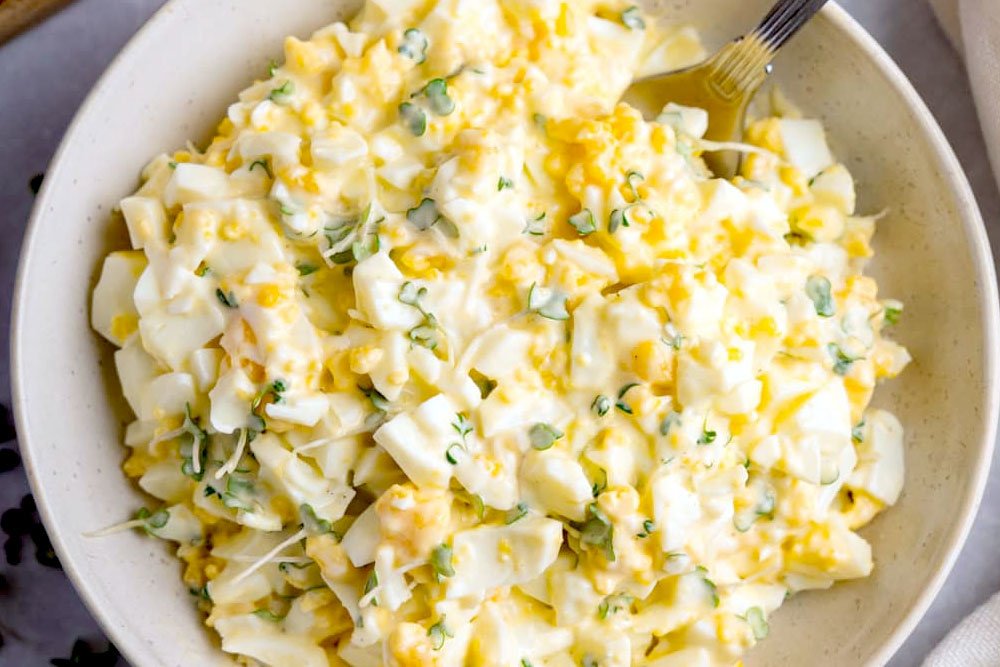
You know that moment when you need just the right thing to take a sandwich from “okay” to “wow”? That’s where homemade mayo comes in. Forget the jarred stuff. This recipe uses hard-boiled eggs for an extra creamy, richer base that tastes like pure comfort.
It's surprisingly simple. You get a vibrant, delicious mayonnaise that's leagues beyond anything store-bought. Plus, you know exactly what goes into it. Let’s make some.
Why You Will Love This Recipe
- Rich Flavor: The hard-boiled egg yolks give this mayonnaise a deeper, more luxurious taste than standard recipes. It's a subtle difference that makes a big impact.
- Velvety Smooth Texture: Using an egg yolk creates an emulsion that's incredibly smooth and creamy. It coats your food beautifully without being greasy.
- Quick to Make: You can whip up a batch in about 10 minutes, especially once you've got your hard-boiled eggs ready. It's a fast way to upgrade any meal.
- Customizable: This is a perfect base. You can easily add garlic, herbs, or spices to make it your own. Think of it as your canvas for flavor.
- No Preservatives: You control all the ingredients. This means no artificial preservatives or stabilizers. Just pure, wholesome goodness.
- Impressive Results: Homemade mayo feels fancy, but it's actually one of the easiest things you can make from scratch. It’s a simple win that looks and tastes professional.
Ingredients
- 2 large hard-boiled egg yolks
- 1 teaspoon Dijon mustard
- 1 tablespoon fresh lemon juice (or white vinegar)
- 1/2 teaspoon salt
- 1/4 teaspoon black pepper
- 3/4 cup neutral oil (like canola, vegetable, or light olive oil)
✅ Also Read: Golden Spanish Potato and Onion Omelette
Steps to Make Homemade Mayonnaise Recipe with Hard Boiled Eggs: Easy Step-by-step Guide
Mash the Yolks and Flavor Base
Start by getting your flavor base ready. Gently scoop the two hard-boiled egg yolks into a medium-sized bowl. You want them as smooth as possible before you add anything else. Use the back of a fork to mash them thoroughly. Break down any tough bits until you have a relatively smooth paste. This step is key to getting that wonderfully smooth final texture.
Next, add the Dijon mustard, lemon juice (or vinegar), salt, and pepper to the mashed yolks. Whisk these ingredients together until they are well combined. This mixture forms the acidic and savory backbone of your mayonnaise. The mustard not only adds flavor but also helps to stabilize the emulsion later on, making your job much easier. You should have a slightly lumpy, pale yellow mixture at this point.
Slowly Emulsify the Oil
Now comes the most crucial part: adding the oil. This is where the magic happens, turning your yolk mixture into creamy mayonnaise. You must add the oil very slowly, especially at the beginning. Start with just a few drops at a time. Use a whisk or an immersion blender for this. If you’re using a whisk, begin by drizzling in about 3–4 drops of oil and whisking vigorously. You'll see the mixture start to thicken and change texture.
Continue adding the oil, a tiny bit faster now, but still in a slow, thin stream. Keep whisking or blending constantly. If you dump the oil in too fast, the mayonnaise will break – meaning it won’t emulsify properly and will look oily or watery. Watch the texture transform. It will go from a runny paste to a thick, glossy, opaque sauce. You’re looking for a consistency similar to store-bought mayonnaise. Keep going until you've added about half of the oil.
Finish the Emulsion and Adjust Seasoning
Once you have a nice, thick base, you can gradually increase the speed at which you add the remaining oil. Continue to drizzle it in a thin, steady stream while whisking or blending constantly. Keep an eye on the consistency. As you add more oil, the mayonnaise will get even thicker and more voluminous. Stop adding oil when you reach your desired thickness. You might not need all of the oil, or you might want a little more.
Taste your homemade mayonnaise. This is your chance to make it perfect for your palate. Does it need more salt? A bit more tang from the lemon juice or vinegar? Perhaps a pinch more pepper? Adjust the seasonings until it tastes exactly how you like it. Remember that the flavors will meld and deepen slightly as it sits. Once you're happy with the taste and texture, your mayonnaise is ready.
What to Serve with Homemade Mayonnaise Recipe with Hard Boiled Eggs
Sandwiches and Wraps
This mayonnaise is a game-changer for any sandwich. Use it as a spread on your bread for BLTs, turkey club sandwiches, or chicken salad wraps. Its richness adds a decadent touch that elevates simple ingredients. You’ll notice the difference immediately compared to using jarred mayo.
Potato and Pasta Salads
For classic potato salad or macaroni salad, this homemade version provides a superior creamy base. It holds up beautifully and adds a lovely tang. Mix it in generously to coat all the components. The hard-boiled egg flavor also complements these dishes perfectly.
Dips and Dressings
Thin it out with a little extra lemon juice or water to create a quick and easy dip for vegetables or fries. You can also use it as a base for a zesty salad dressing. Whisk in herbs, spices, or even a touch of honey for a custom blend that beats anything pre-made.
As a Simple Condiment
Don’t underestimate the power of a dollop of this mayonnaise on the side of grilled chicken, fish, or even just some French fries. It's the perfect accompaniment for fried foods or anything that benefits from a creamy, tangy dip. It’s simple but incredibly satisfying.
✅ See Also: Spanish Tortilla Omelette That Everyone Loves
Storage and Reheating
Refrigeration is Key
Always store your homemade mayonnaise in an airtight container in the refrigerator. Because it contains fresh egg yolks and no preservatives, it doesn’t last as long as store-bought varieties. It’s best to consume it within 3 to 5 days for optimal freshness and safety.
Proper Container Use
Use a clean glass jar or a dedicated food storage container with a tight-fitting lid. This prevents the mayonnaise from absorbing odors from other foods in your fridge and keeps it from drying out. Make sure to clean any utensils thoroughly before and after use to avoid contamination.
Does It Freeze Well?
Unfortunately, mayonnaise does not freeze well. The emulsion will likely break when thawed, resulting in a separated, oily, and watery mess. It’s best to make only the amount you think you'll use within its fresh shelf life.
Reheating Isn’t Necessary
This mayonnaise is designed to be served cold or at room temperature, not reheated. It's an accompaniment or spread, so it's best used straight from the refrigerator or after sitting out for a short time to come to room temperature.
What Makes This Recipe Special
The Egg Yolk’s Magic
Unlike many basic mayonnaise recipes that rely solely on oil and egg whites for emulsion, this one champions the hard-boiled egg yolk. The cooked yolk provides a richer flavor profile and a uniquely stable base. It adds a depth and smoothness you just don't get with raw eggs alone.
A Smoother, Richer Texture
The cooked yolk in this recipe creates an extra-velvety texture that’s incredibly pleasing. It emulsifies beautifully, resulting in a mayonnaise that’s thick and creamy, without any hint of greasiness. It feels more luxurious and satisfying on your tongue.
Enhanced Flavor Depth
The hard-boiled egg contributes more than just texture; it lends a subtle, almost nutty richness to the flavor. This depth makes the mayonnaise wonderfully complex. It's a noticeable upgrade that makes your simple sandwich or salad taste like something special.
Simplified Emulsification
Using hard-boiled egg yolks actually makes the emulsification process more forgiving. The cooked yolk is more robust and less prone to breaking than a raw yolk. This makes the recipe incredibly accessible for beginners, ensuring success without the usual anxiety of mayo-making.
Pro Tips for the Best Results
Temperature Matters
Ensure your egg yolks and other ingredients (like mustard and lemon juice) are at room temperature before you start. Cold ingredients can make the oil harder to incorporate and increase the chances of your mayonnaise breaking. A little warmth helps everything emulsify smoothly.
Drizzle, Don’t Pour
The most common mistake in making mayonnaise is adding the oil too quickly. Always start with just a few drops, whisking constantly, before gradually increasing to a very thin, slow stream. If you see it start to separate, stop adding oil and whisk vigorously until it comes back together before continuing.
Whisking Technique
When whisking by hand, use quick, consistent motions in a circular or figure-eight pattern. This incorporates air and helps build the emulsion efficiently. An immersion blender is also fantastic here, as it does most of the work for you and is very forgiving. Just be sure to keep the blender head submerged to avoid splashing.
Taste and Adjust
Never skip the tasting step at the end. Your lemon juice might be more or less tart, or your salt preference might vary. This is your chance to fine-tune the flavor. Add salt, pepper, or acid (lemon juice/vinegar) little by little until it’s perfect for your taste buds.
Variations and Substitutions
For a Spicy Kick
Add a teaspoon of your favorite hot sauce, like sriracha or your preferred chili paste, along with the other flavorings. You could also finely mince a small clove of garlic or add a pinch of cayenne pepper for a subtle heat that transforms the mayo into a zesty condiment.
Herb-infused Mayonnaise
Finely chop fresh herbs like chives, parsley, dill, or tarragon and stir them in at the very end. This creates a vibrant, fresh mayonnaise perfect for chicken salad or as a dip. Use about 1–2 tablespoons of fresh herbs, finely minced, for a noticeable flavor.
Garlic Aioli Style
For a classic aioli, mince one small clove of garlic very finely into a paste or use 1/4 teaspoon of garlic powder. Add it to the egg yolk mixture at the beginning. Be sure to use fresh garlic for the best flavor, as dried garlic can sometimes be too strong.
Tangy Mustard Boost
If you love mustard, you can experiment with different varieties. Try a grainy Dijon or even a touch of whole-grain mustard instead of smooth Dijon. This will add not only tang but also interesting texture. Just be aware that some mustards can be quite potent.
Frequently Asked Questions
Can I Use Raw Egg Yolks Instead of Hard-boiled?
Yes, you can use raw egg yolks for a more traditional mayonnaise, but hard-boiled yolks offer a richer flavor and a more stable emulsion that’s less likely to break. Ensure raw eggs are pasteurized if using them.
Is This Mayonnaise Safe to Eat If It Breaks?
If your mayonnaise breaks (separates into oil and liquid), don’t throw it out! You can often fix it by whisking a fresh egg yolk or a teaspoon of water in a clean bowl, then very slowly drizzling the broken mixture into it while whisking.
How Long Does This Homemade Mayonnaise Last?
Because it contains fresh egg yolks and no preservatives, it's best to use your homemade mayonnaise within 3 to 5 days. Always store it in an airtight container in the refrigerator.
Can I Add Other Oils Besides Neutral Ones?
You can substitute some of the neutral oil with extra virgin olive oil for a different flavor, but use it sparingly. Too much extra virgin olive oil can give the mayonnaise a bitter taste. Stick to mostly neutral oils for the best results.
Do I Need a Food Processor to Make This?
While a food processor can work, a whisk or an immersion blender is often easier and yields better results for this specific recipe. The controlled slow drizzle is key, and it’s easier to manage with these tools.
Are There Any Other Ways to Flavor This Mayonnaise?
Absolutely! You can add a dash of Worcestershire sauce, a pinch of smoked paprika, a bit of curry powder, or even some finely grated zest from a lemon or lime for unique flavor twists.
What’s the Best Way to Store Leftovers?
Store any leftover mayonnaise in a clean, airtight glass jar or food storage container in the refrigerator. Make sure the lid is sealed tightly to prevent it from drying out or picking up fridge odors.
Final Thoughts
Making your own mayonnaise with hard-boiled eggs is a simple pleasure that transforms everyday meals. It’s a kitchen confidence booster that tastes incredibly rewarding. Give it a try this week; you might just find yourself never going back to the store-bought kind.
Homemade Mayonnaise Recipe with Hard Boiled Eggs
Ingredients
- 2 large hard-boiled egg yolks
- 1 teaspoon Dijon mustard
- 1 tablespoon fresh lemon juice
- 1/2 teaspoon salt
- 1/4 teaspoon black pepper
- 3/4 cup neutral oil
Tools You Need
- Medium bowl
- Whisk
- Measuring spoons
- Measuring cup
Steps
- Mash hard-boiled egg yolks in a bowl.
- Whisk in mustard, lemon juice, salt, and pepper.
- Slowly drizzle in a few drops of oil while whisking.
- Continue adding oil in a thin stream, whisking constantly.
- Adjust seasonings to taste and serve.