
There is nothing sadder than a lunch that looks like a wet sponge. I used to pack beautiful turkey subs only to find a mushy mess by noon. If you are tired of your bread falling apart, I have your back. You will learn the best ways to keep things fresh and crunchy all day long.
To stop the moisture, you should always start by spreading a thin layer of butter or mayo to create a waterproof wall on the bread. Next, make sure you dry your lettuce and tomatoes completely with a paper towel before adding them. You might also want to pack wet ingredients like pickles in a separate container or baggie. Try putting your meat and cheese right against the bread to act as a barrier. Finally, always let toasted bread cool down before closing the sandwich to avoid trapped steam.
Is it Actually Possible to Stop Your Bread From Turning Into Mush?
Most of us think that a wet lunch is just part of the deal when we eat on the go. In my experience, the real culprit is usually heat or the order of your toppings. When you put a hot piece of chicken on cold bread, it creates steam that soaks right into the crust.
I have spent years testing different setups in my own kitchen to find what works. The secret is all about managing where the water goes before it hits your loaf. If you can control the wetness of your veggies, you are already halfway to a win.
Using the right materials for wrapping makes a huge difference too. Plastic bags often trap moisture, which is the exact opposite of what you want. Switching to parchment paper or a reusable wrap allows the food to breathe just enough to stay firm.
Once you master the layering technique, you will never look back. It takes about thirty seconds of extra effort, but the payoff is a lunch that actually tastes like it was just made. Your coworkers will probably ask how you keep your crust so crisp.
- Use a fat-based spread like butter.
- Dry every single vegetable slice thoroughly.
- Place the cheese directly against the bread.
- Avoid putting warm fillings on cold bread.
- Wrap the finished product in parchment paper.
- Keep juicy items in a side container.
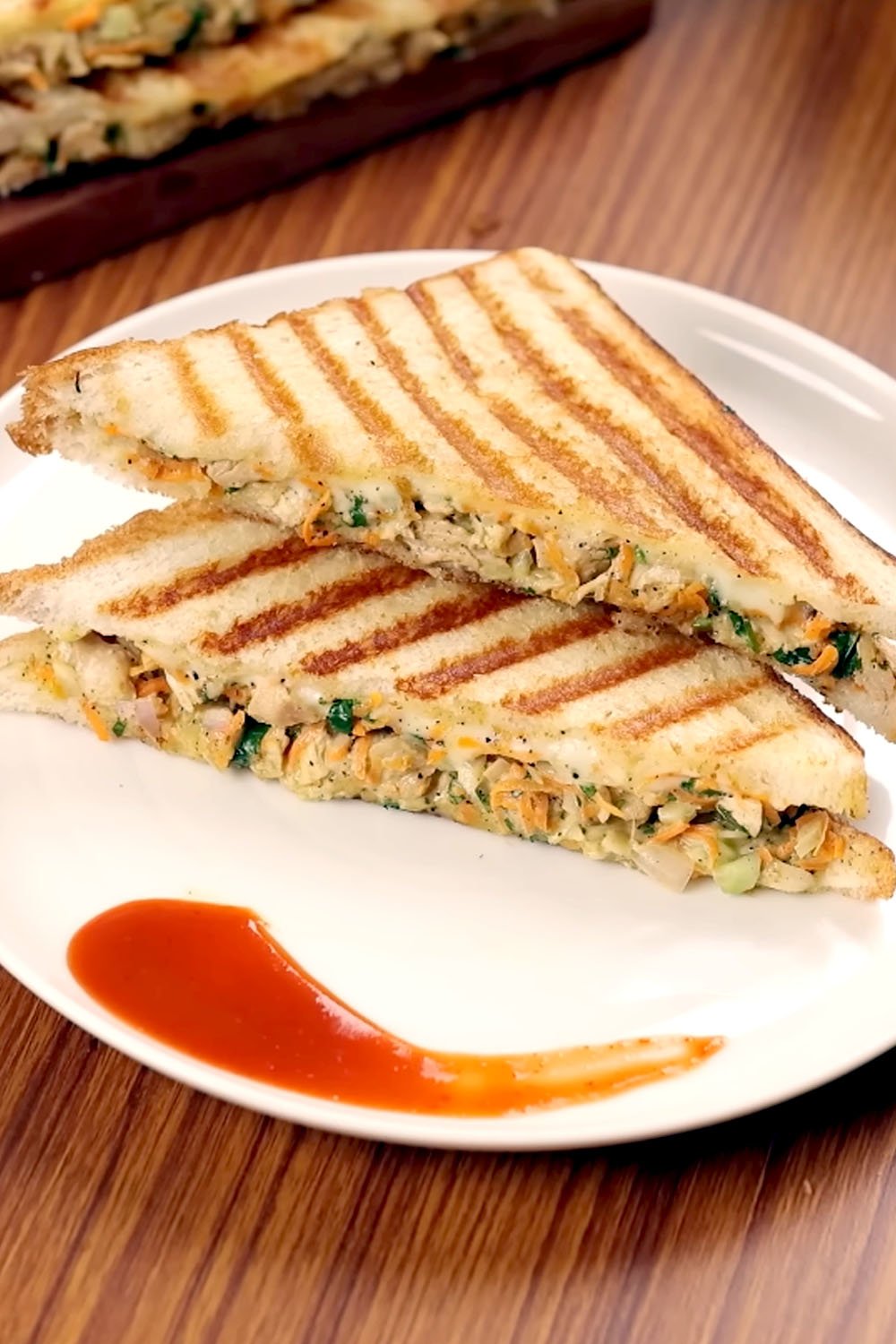
The Best Tricks to Make a Fresh Sandwich That Stays Crunchy
Use a Protective Shield of Fat
The very first thing you need to do is create a barrier. Water cannot get through fat, so a thin layer of butter, cream cheese, or full-fat mayo acts like a raincoat for your bread. I usually spread it from edge to edge to make sure no moisture sneaks through the gaps.
If you skip this part, the juices from your ham or turkey will soak right into the grain. This is why deli sandwiches often taste better because they never skimp on the spread. It adds flavor while doing a very important job.
You can also use a slice of cheese as your first layer. Cheese is oily and solid, which makes it the perfect bodyguard for a soft baguette. Just make sure the cheese is the first thing touching the crumb of the bread.
- Spread butter on both slices of bread.
- Use pesto for a flavorful oily barrier.
- Try cream cheese for a thicker shield.
- Always coat the bread out to the crust.
Dry Your Vegetables Like a Professional
Sloppy lettuce is the main reason lunches go bad. After I wash my greens, I let them sit on a clean towel for at least ten minutes. Even a tiny drop of water can ruin a perfectly good sourdough slice.
Tomatoes are even trickier because they are mostly juice. I like to slice them early and let them sit on a paper towel to drain. This removes the extra liquid without losing that fresh summer taste we all love.
If you are using cucumbers or pickles, the same rule applies. Pat them down until they feel dry to the touch before they go near the meat. It sounds like a lot of work, but it really only takes a minute.
- Use a salad spinner for leafy greens.
- Deseed tomatoes to reduce extra liquid.
- Salt cucumbers to draw out excess water.
- Use sturdy greens like spinach or kale.
Master the Art of Strategic Layering
The order of your ingredients is the hidden science of a great lunch. I always put the heavy, dry items like meat and sliced cheese on the bottom and top. This keeps the wet stuff, like tomatoes or sprouts, tucked safely in the middle.
Think of the meat and cheese as a protective shell for the bread. By keeping the watery veggies in the center, you give them nowhere to leak. This simple change in your routine will fix almost every soggy problem you have.
I also suggest avoiding putting condiments directly on the meat if you can help it. If you put mustard between two slices of ham, it stays put. If you put it on the bread, it might soak in over time.
- Put meat directly on the bottom slice.
- Put cheese directly on the top slice.
- Keep tomatoes in the very center.
- Sandwich your sauce between meat layers.
Let Your Toasted Bread Cool Completely
I love a toasted sandwich, but packing it while it is hot is a huge mistake. When you wrap a warm piece of toast, it creates condensation inside the bag. That steam turns into water drops, and suddenly your crunchy bread is soft again.
I always place my toast on a wire rack for a few minutes before I build the sandwich. This lets the air move around it so it stays firm on both sides. If you don’t have a rack, just lean the slices against each other like a little tent.
Once the bread feels cool to the touch, you are safe to start piling on the toppings. This is a game changer for anyone who likes a warm breakfast sandwich. Patience really is the most important ingredient here.
- Never wrap a sandwich while it is hot.
- Use a wire cooling rack if possible.
- Feel the bread to ensure it is cold.
- Toast only the inner side of the bread.
Pick the Right Type of Bread
Not all loaves are created equal when it comes to holding up under pressure. A soft white sandwich bread is going to soak up liquid much faster than a crusty roll. If I know I won’t be eating for several hours, I pick a denser option.
Sourdough or a thick ciabatta are excellent choices for long trips. Their sturdy crusts act as a natural defense against getting mushy. They can handle a bit of sauce without falling apart in your hands.
If you really love soft bread, try a wrap or a pita instead. These are often thinner and don’t absorb moisture in the same way a thick slice of brioche does. Choosing the right base makes the whole process much easier.
- Choose sourdough for extra durability.
- Use crusty baguettes for juicy fillings.
- Avoid very soft or thin white bread.
- Try hearty multi-grain for better structure.
Pack the Wet Ingredients on the Side
Sometimes the best way to win is to not play the game at all. If I am going on a long hike, I keep my tomatoes and pickles in a small container. I only add them to the sandwich right before I am ready to eat.
This might feel like cheating, but it is the only 100% foolproof method. It keeps the bread bone-dry and the veggies perfectly crisp. You can even buy small condiment containers for your dressing or mayo.
This method works wonders for office lunches too. You can keep a stash of toppings in the fridge and build your masterpiece at your desk. It tastes so much better when the components are fresh.
- Use small reusable containers for pickles.
- Carry dressing in a separate tiny jar.
- Add tomatoes right before eating.
- Keep wet coleslaw in its own bowl.
Should You Wrap Your Lunch in Plastic or Paper?
There is a big debate about the best way to wrap a meal for later. In my kitchen, I have found that plastic wrap is often the enemy of a fresh sandwich. It seals everything in so tightly that the bread cannot breathe at all.
When moisture has nowhere to go, it goes back into the crust. This is why a sandwich wrapped in plastic often feels clammy and damp by noon. It is like putting your food in a tiny sauna.
I highly recommend using parchment paper or butcher paper instead. These materials allow a tiny bit of airflow while still keeping everything together. It is the same trick that high-end delis use to keep their subs perfect.
If you are worried about things falling apart, you can wrap it in paper first and then put it in a hard container. The container protects it from getting squished, and the paper keeps the texture right. It is a win for everyone involved.
- Use parchment paper for better airflow.
- Try beeswax wraps for a natural option.
- Avoid tight plastic wrap for long storage.
- Use a hard lunchbox to prevent squishing.
- Wrap tightly but allow the bread to breathe.
- Place a napkin inside the container to absorb moisture.
Final Thoughts
I hope these tips help you enjoy a much better lunch tomorrow. Learning how to keep a sandwich from getting soggy is all about those small, smart choices in the kitchen. Just remember to dry your greens and use a good fat barrier. You have got this, and your taste buds will definitely thank you for the extra effort.
| Strategy | Best For | Level of Effort | Effectiveness | Material Needed | Pro Tip |
| Fat Barrier | Every Sandwich | Very Easy | High | Butter or Mayo | Coat edge to edge |
| Proper Layering | Meat Lovers | Medium | Very High | Cheese Slices | Cheese hits bread |
| Paper Wrap | Work Lunches | Easy | High | Parchment Paper | Avoid plastic bags |
| Side Packing | Long Trips | Medium | Maximum | Small Tubs | Add veggies at end |
| Drying Veggies | Fresh Salads | Easy | High | Paper Towels | Pat down tomatoes |
| Cooling Toast | Breakfast | Easy | Medium | Cooling Rack | Avoid trapped steam |
Frequently Asked Questions (FAQs)
Is it better to use toasted or fresh bread?
Toasted bread is usually better because the heat creates a harder surface. This surface resists moisture longer than soft bread. Just make sure you let it cool completely before you wrap it up.
Can I use a paper towel to keep it dry?
Yes, you can wrap your sandwich in a dry paper towel before putting it in a container. The paper towel will soak up any extra moisture before it reaches the crust of your bread.
Do I need to avoid tomatoes entirely?
You do not have to skip them if you prep them right. Always slice them thin and pat them dry with a towel. Removing the seeds and the watery center also helps a lot.
Is it helpful to use thicker slices of meat?
Thick meat slices can act as a great barrier. They are less likely to leak juice than thin, shredded pieces. Layer them flat to create a solid wall against the bread.
Can I pack my condiments separately?
Packing your sauce in a small jar is the smartest move. It prevents the liquid from soaking into the grain over several hours. Just spread it on right before you take a bite.
Do I have to keep my lunch in the fridge?
Keeping it cool helps slow down the moisture release from veggies. If it sits in a warm bag, the tomatoes will sweat more. A cold environment keeps everything much firmer.
Is it okay to use roasted vegetables?
Roasted veggies are often drier than fresh ones, so they are a great choice. Just make sure they are completely cold before you build the sandwich. Warm veggies will definitely cause sogginess.
Can I use lettuce as a shield?
Large, dry leaves of romaine or iceberg work great as a liner. Put the lettuce down first to protect the bread from the meat. It adds a nice crunch and keeps things dry.